When considering charging your Android phone with a MacBook charger, you may wonder, "Can I use a MacBook charger for my Android phone?" This question is common among users who want versatility in their charging options. While MacBook chargers are designed to deliver higher wattage, they come with USB-C connectors that many Android phones now support. This compatibility raises questions about safety and efficiency.
Using a MacBook charger can provide faster charging for your Android device. However, the risk of overheating or overcharging exists. Not all Android phones are built the same. Some models handle varying power inputs better than others. Understanding your specific phone's battery management system is crucial. This ensures that you are using the right charger without risking damage to your device.
While many users report success, it’s important to consider the potential downsides. If you notice any unusual behavior while charging, it's wise to switch back to your original charger. Remember, convenience should not come at the cost of your phone’s longevity. Always proceed with caution and stay informed about your devices.
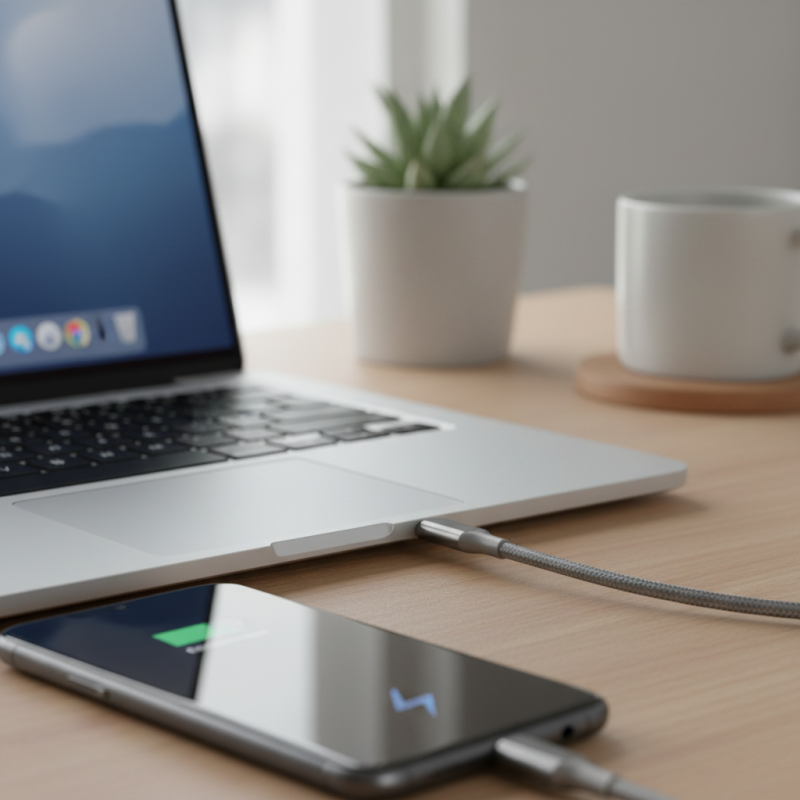
Using a MacBook charger to charge an Android phone is a common question. Many people wonder if it’s effective. The answer is yes, but with some caveats. MacBook chargers often provide higher wattage compared to standard Android chargers. This means they can charge phones faster. However, not all Android devices are designed to handle this extra power.
Compatibility is key. While most modern Android phones support USB-C charging, differences in power management exist. Some devices may not utilize the full potential of a MacBook charger. Older Android phones may even experience slower charging times or other issues when connected to a higher wattage charger. It is essential to check your device's specifications before proceeding.
Not all chargers are created equal. Charging efficiency might vary based on the cable used. A poor-quality or incompatible cable can pose risks like overheating. Using a MacBook charger could lead to complications if the device isn't optimized for it. Users should proceed with caution and pay attention to their phone's charging behavior. This may require a bit of trial and error before finding the perfect setup.
When exploring the compatibility of charging standards between MacBook chargers and Android phones, several factors come into play. Most MacBook chargers use USB-C ports with Power Delivery (PD) capabilities. This technology allows for faster charging with higher wattage, often up to 96W. In contrast, many Android devices support USB-C charging, but the wattage varies by model. Reports indicate that while some Android phones can handle up to 65W, others may only support 15W or 18W charging. Misalignment in power needs can lead to inefficient charging.
Tips: Always check your phone's maximum charging capacity. Using a higher wattage charger won't necessarily damage your device but may not improve charging speed. You might want to avoid using older USB-A to USB-C cables with new Android devices, as they may not support the required wattage.
Another critical consideration is the potential for software issues. Some Android phones may not recognize an accessory charger, leading to slower charging or erratic performance. This inconsistency could arise from differences in fast-charging protocols. It's essential to consider that while you can use a MacBook charger, results can vary by device. Users have reported mixed experiences when using non-branded chargers, which can amplify these issues. Thus, thorough research on compatibility can save time and ensure efficient charging.
| Charging Standard | Compatibility with MacBook Charger | Charging Speed (Watt) | Notes |
|---|---|---|---|
| USB-C Power Delivery | Yes | 18W - 100W | Fast charging supported, varies by device. |
| USB-A Charging | Limited | 5W | Slower charging; requires adapter. |
| Quick Charge 3.0 | No | 18W | Not compatible with MacBook charger. |
| Samsung Adaptive Fast Charging | Limited | 15W | May work with USB-C but not optimal. |
| Apple 20W Charger | Yes | 20W | Fast charging for compatible devices. |
When considering the power output of MacBook chargers compared to standard Android chargers, several factors come into play. MacBook chargers typically provide higher wattage—often ranging from 30 to 100 watts. This is much more than most Android chargers, which usually offer between 5 to 18 watts. Higher wattage means faster charging for compatible devices, but it's essential to evaluate the actual needs of your Android phone.
Using a MacBook charger with an Android device may lead to quicker charging, but it could also pose risks. Some Android phones are not built to handle the extra wattage. This can result in overheating or battery wear over time, as the device's internal management systems might struggle with higher power inputs. It's a gray area worth considering; though faster charging can be appealing, it is important to weigh safety against speed.
Most Android devices use USB-C, allowing for some universal compatibility. However, having a higher output charger does not always ensure effective charging. Quality matters. A low-quality adapter could lead to inconsistent power delivery. This inconsistency may impact the longevity of your device. Charging practices should always prioritize the health of your battery over speed.
Using a MacBook charger for an Android phone is a frequent question among users. While it may seem convenient, safety should be your top priority. USB-C technology allows for power sharing across devices, but not all chargers are made equal. The voltage and amperage differences can impact your device.
Overheating is a common concern. If you notice your phone getting unusually hot while charging, stop immediately. Using a higher watt charger can lead to potential damage. Always check your phone's charging specifications before plugging it into a different charger. Compatibility matters and could prevent battery degradation.
**Tips:**
1. Always look for signs of wear on the charging cable. Frayed cables can be dangerous.
2. If possible, use your phone's original charger. It's designed specifically for your device.
3. Test with lower wattage charges first. This minimizes risk while determining compatibility.
This chart illustrates the compatibility rating of using a MacBook charger with Android phones, assessing voltage compatibility, current compatibility, and safety risk level. Ratings are on a scale from 1 to 10.
Using a MacBook charger to charge an Android phone can be a convenient option. Many users have had mixed experiences with this practice. While some report success in fast charging their devices, others express concerns about compatibility. It's essential to ensure that the wattage is appropriate for your phone. Overloading your phone with excess power could lead to overheating or damage.
One user shared that their Android charged significantly faster using the MacBook charger compared to standard chargers. However, another user mentioned feeling uneasy about the potential risks involved. They advised checking the specifications of both devices. Understanding the charging requirements is key.
Tips: Always monitor your phone while charging. If it becomes excessively hot, unplug it immediately. It's also wise to use a quality cable that matches the charging adapter. This can prevent potential damage. Observe your phone’s behavior; if you notice any irregularities, consider switching back to conventional chargers.
ndroid phone?
Not necessarily, but using a higher wattage charger can cause overheating or other issues.
Monitor your phone while charging. If it gets too hot, unplug it immediately.
Yes, charging speeds depend on your phone’s capacity and the MacBook charger’s wattage.
This could indicate a compatibility issue. Check for software updates or try a different charger.
Yes, older USB-A to USB-C cables may not support the required wattage for new devices.
It can be safe, but assess your phone’s charging needs to avoid risks of damage.
Experiences vary; some report faster charging, while others are concerned about overheating.
Yes, it minimizes risks since it's specifically designed for your device.
Look up your phone model specifications or consult the manufacturer's guidelines online.
The article titled "2026 Best Can I Use a MacBook Charger for My Android Phone?" explores the feasibility and effectiveness of using a MacBook charger for charging Android devices. It outlines the compatibility between the charging standards of MacBooks and Android phones, detailing how the power outputs of MacBook chargers compare to typical Android chargers. The piece emphasizes the importance of safety considerations, ensuring that users are aware of any potential risks associated with using a different charger.
Additionally, the article shares real-world experiences of users who have charged their Android phones with MacBook adapters, providing insights into performance and efficiency. Ultimately, it addresses the central question: "Can I use a MacBook charger for my Android phone?" with a balanced view of the benefits and precautions users should consider.

RF-Core Charger