In recent years, multi-port chargers have become increasingly popular. They offer convenience and efficiency for charging multiple devices simultaneously. However, a pressing question arises: "Are cheap multi-port chargers bad for battery health?" Exploring this issue requires a careful consideration of technology and expert opinions.
Many consumers opt for budget-friendly options without understanding their potential ramifications. These chargers may not regulate voltage and current correctly, leading to overcharging. Poor-quality materials can contribute to overheating, posing risks to device longevity. Maintaining battery health is crucial, as compromised charging can result in decreased performance and shorter lifespan.
While some reviews highlight potential savings, the long-term impact remains uncertain. Investing in reputable chargers may be worthwhile. Ultimately, the choice reflects a balance between cost and battery care. What does your decision say about your priorities?
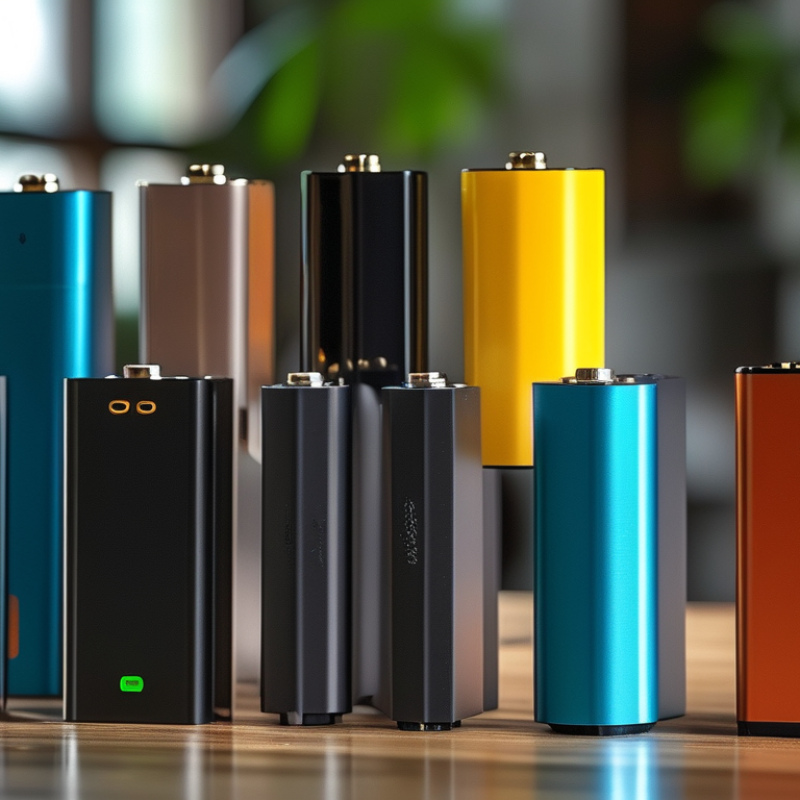
Multi-port chargers are becoming increasingly popular. However, their impact on lithium-ion battery longevity is often overlooked. Research indicates that cheap multi-port chargers may introduce voltage instability. A study by the University of California found that unstable voltage can shorten battery life by over 20%.
Lithium-ion batteries thrive on stable charging conditions. High-quality chargers maintain a steady voltage and current. In contrast, low-cost alternatives may deliver fluctuating power. This could lead to overheating, thermal stress, which, in turn, can degrade battery health. Experts recommend ensuring a charger provides adequate power management features.
Furthermore, chargers with inferior components can create additional risks. Poor-quality materials may cause inefficiencies, ultimately affecting charging cycles. According to Battery University, every full charge cycle can reduce a battery's lifespan by 500 cycles. This underlines the significance of investing in high-quality charging solutions for optimal battery health. It raises questions about the long-term effects of choosing convenience over quality.
When considering affordable multi-port chargers, safety standards are a primary concern. A recent report from the International Electrotechnical Commission (IEC) highlights that not all low-cost chargers comply with necessary safety regulations. Approximately 30% of budget-friendly chargers fail to meet basic electrical and thermal stability tests. This risk can lead to overheating and, in rare cases, battery damage.
Battery health is often compromised by chargers that lack proper regulation. An analysis by the Battery University revealed that inconsistent voltage output from cheap chargers could shorten battery lifespan by up to 40%. This emphasizes the need for users to evaluate charger specifications, such as output quality and protective features. Many affordable options may lack the safety mechanisms seen in higher-priced models, such as overcurrent protection and temperature control.
Moreover, user experiences suggest that cheaper chargers often lead to more frequent replacements or repairs. While initial costs may be lower, the long-term impact on battery health can be substantial. Users should be cautious and informed. Investing in chargers that meet recognized standards might mitigate such risks and provide better overall value for their devices.
| Charger Type | Price Range ($) | Number of Ports | Output Power (W) | Safety Certification | Battery Impact |
|---|---|---|---|---|---|
| Basic 4-Port Charger | 10 - 20 | 4 | 20 | No | Moderate Risk |
| Smart 5-Port Charger | 20 - 35 | 5 | 30 | Yes | Low Risk |
| Ultra Fast 6-Port Charger | 30 - 50 | 6 | 60 | Yes | Very Low Risk |
| Inexpensive 3-Port Charger | 5 - 15 | 3 | 15 | No | High Risk |
| Affordable Compact Charger | 15 - 25 | 2 | 18 | Yes | Moderate Risk |
Battery health is impacted by how we charge our devices. The concept of charge cycles is crucial for understanding this effect. A charge cycle is a complete discharge and recharge of the battery. Data shows that lithium-ion batteries typically last around 300 to 500 charge cycles. After this point, users may notice a decline in battery capacity.
Using cheap multi-port chargers often leads to inconsistent charging profiles. In some cases, these chargers can deliver varying voltage levels. This inconsistency can stress the battery over time. A study by the Battery University found that charging at higher voltages increases heat generation. Heat is a significant factor that degrades battery health.
Moreover, the rapid charging features on these chargers might seem appealing. However, they can lead to faster degradation of battery materials. For instance, charging at 10% to 90% can be more damaging than keeping the battery between 20% and 80%. Users might overlook this because of convenience, but it pays to consider long-term battery health. Recognizing the impact of your charging habits is essential for extending battery life.
When considering the health of smartphone batteries, the charge current is a critical factor. High wattage chargers can deliver more power, which might seem appealing. However, this increased power can lead to higher heat production. Excessive heat can deteriorate battery chemistry, shortening its lifespan. Therefore, understanding the relationship between charge current and battery stress is essential for users.
Cheap multi-port chargers often promise rapid charging but may not manage power flow effectively. This can result in irregular charge currents. Fluctuations in current place stress on the battery, causing potential long-term damage. Not all chargers are created equal; some lack the necessary technology to monitor and control charging rates. This potential for inconsistency raises concerns over reliability.
Many users overlook these risks. It’s easy to assume that faster charging is always better. This mindset can lead to poor battery health. Observations show that frequent exposure to high charge currents can lead to swelling and decreased capacity. A more cautious approach could involve using chargers specifically designed for the device's specifications.
When choosing a multi-port charger, quality matters. A cheap option may be tempting, but it can pose risks to your device's battery. These chargers often lack essential safety features. They might overheat or deliver inconsistent voltage, harming your battery's longevity.
Consumer awareness is crucial. Look for chargers from reputable manufacturers. Check for certifications like UL or CE, which ensure safety standards. Reading reviews can help identify reliable options. Conversely, many consumers may overlook these details in favor of lower prices. It's a common pitfall that can lead to costly mistakes.
Investing in a trusted charger is often wiser than opting for the cheapest model. A quality charger not only safeguards your device but can also enhance its performance. Think about the long-term implications of your choice. Cheaper isn't always better; your battery health deserves consideration.
: Affordable multi-port chargers should comply with necessary safety regulations. Many do not, leading to risks.
Low-cost chargers can shorten battery lifespan by up to 40% due to inconsistent voltage output.
A charge cycle is a complete discharge and recharge of a battery. Most batteries endure 300 to 500 cycles.
Inconsistent charging stresses batteries over time and can generate excess heat, damaging battery health.
Rapid charging may seem beneficial but can accelerate battery degradation. It’s vital to consider long-term effects.
Users often need to replace cheaper chargers more frequently, despite initial lower costs.
Look for overcurrent protection, thermal control, and stable voltage output for better battery health.
Increased heat from poor chargers can degrade battery materials and reduce overall lifespan over time.
Yes, keeping the battery between 20% and 80% can be less damaging than charging from 10% to 90%.
Investing in chargers that meet recognized standards can provide better value and reduce risks to your devices.
The article "Are Cheap Multi Port Chargers Bad for Battery Health Risks?" explores the implications of using affordable multi-port chargers on lithium-ion battery longevity. It emphasizes how these chargers can affect battery life through various factors such as charge cycles and the relationship between charge current and battery stress. The discussion includes an assessment of safety standards related to inexpensive chargers and encourages consumer awareness in differentiating quality chargers from their cheaper counterparts.
Understanding that prolonged use of low-cost multi-port chargers can potentially lead to decreased battery health is crucial for consumers. By acknowledging these risks, users can make informed decisions about charging practices and equipment, ensuring their devices maintain optimal performance and longevity. Ultimately, the article underscores the importance of evaluating the potential effects of low-quality charging solutions on battery health.

RF-Core Charger