In today's fast-paced dining industry, providing reliable charging options for customers can enhance their experience. As restaurants increasingly cater to tech-savvy patrons, knowing how to choose a charging station for a restaurant is essential. Offering charging stations reflects a commitment to guest comfort and convenience.
Selecting the right charging station is not as simple as it seems. Factors such as power output, compatibility with devices, and placement all play crucial roles. Restaurants must also consider aesthetics and how the charging stations fit into their overall ambiance. A poorly chosen station can be an eyesore and might even frustrate customers.
Balancing practicality with design is no easy task. Some restaurant owners may overlook critical features, focusing solely on price. However, investing in quality charging solutions may lead to higher customer satisfaction and repeat visits. It's important to periodically review the effectiveness of the charging stations and adapt to changing customer needs.
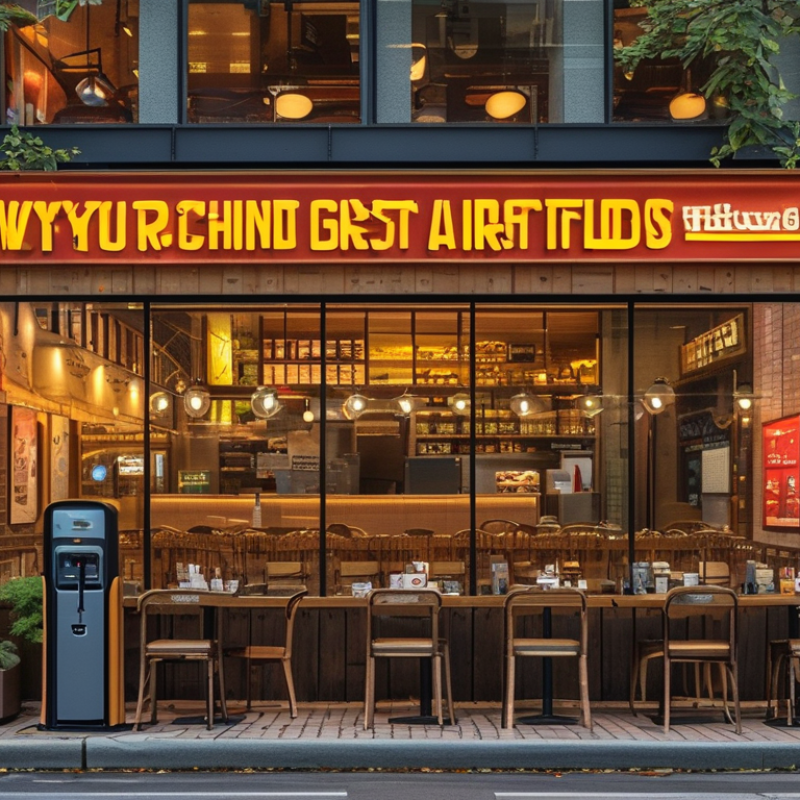
When selecting a charging station for your restaurant, it's essential to understand the different types available. Charging stations mainly fall into two categories: station-based and mobile units. Station-based options are fixed and offer multiple ports. They are great for busy restaurants where customers can plug in their devices while dining. On the other hand, mobile units are portable and can be moved where they’re most needed. This flexibility can be advantageous during busy hours.
Each type has its unique features. Some stations offer fast charging, which can attract tech-savvy customers. However, not all charging stations are created equal. Some may have reliability issues, causing frustration among guests. It's crucial to assess your restaurant's layout and customer flow. How often do guests ask for charging? This insight can guide your decision. A well-placed charging station can enhance the dining experience, but a poorly chosen one may create more problems than it solves.
Additionally, consider the aesthetic aspect. Some charging stations can be bulky or unattractive. A sleek design will blend better with your restaurant’s theme. Understanding your customer base's needs and preferences will help you choose wisely. The perfect charging station should serve its purpose without detracting from the dining atmosphere.
| Charging Station Type | Power Output (Watts) | Number of Ports | Installation Type | Ideal For |
|---|---|---|---|---|
| Wall-Mounted Station | 10-20W | 1-4 | Fixed | Small restaurants, takeout |
| Tabletop Charging Stations | 15-30W | 2-8 | Portable | Dine-in restaurants, cafes |
| Free-standing Charging Stations | 20-50W | 4-10 | Free-standing | Large restaurants, bars |
| Multi-device Charging Stations | 30-100W | 5-20 | Fixed/Portable | Event spaces, large venues |
: There are two main types: station-based and mobile units.
Station-based options are fixed and provide multiple charging ports for customers.
They are portable and can be moved to needed locations during busy hours.
Well-placed stations can improve customer satisfaction, but poorly chosen ones may cause issues.
Sleek designs blend well with the restaurant’s theme and atmosphere.
Basic models are cheaper but may lack features. High-end ones offer faster charging.
Factor in equipment, installation, maintenance, and energy costs.
You may need more stations during peak tourist seasons, affecting overall expenses.
Start small by testing with fewer stations before making larger investments.
Some stations may be unreliable, leading to customer frustration and dissatisfaction.
When considering how to choose a charging station for a restaurant, it's essential to understand the various types available to meet both equipment and customer needs. Assessing the power requirements of your restaurant’s equipment, as well as providing enough capacity for customers’ devices, is crucial for a successful installation. Additionally, the placement of the charging stations should prioritize location and accessibility to ensure ease of use for patrons.
Cost and budget considerations must also play a significant role in decision-making. Evaluating the price range of different charging solutions can help you find the best fit for your restaurant's financial capabilities. Finally, aesthetic and functional design features can enhance the overall dining experience, making the charging stations not just practical but also an integral part of the restaurant's ambiance.

 RF-Core Charger