In today's digital age, the iPad Pro stands out for its versatility. Many users want to unlock its full potential. A Type-C hub is essential for this process. Experts like John Smith, a leading tech analyst, emphasize the importance of understanding "How to use a Type-C hub with an iPad Pro." He states, "Maximizing connectivity can turn your iPad Pro into a powerful workstation."
Setting up a Type-C hub seems straightforward. Yet, users often face challenges. Compatibility with various devices can vary. Knowing how different peripherals connect is crucial for optimal performance. Even minor issues can cause frustration.
Many users overlook the hub's specifications. Not all hubs are created equal. It’s essential to research and choose wisely. Reflections on user experiences can provide valuable insights. By learning from others, you’ll enhance your connection experience. Understanding the nuances of "How to use a Type-C hub with an iPad Pro" can lead to a smoother setup process and better device integration.
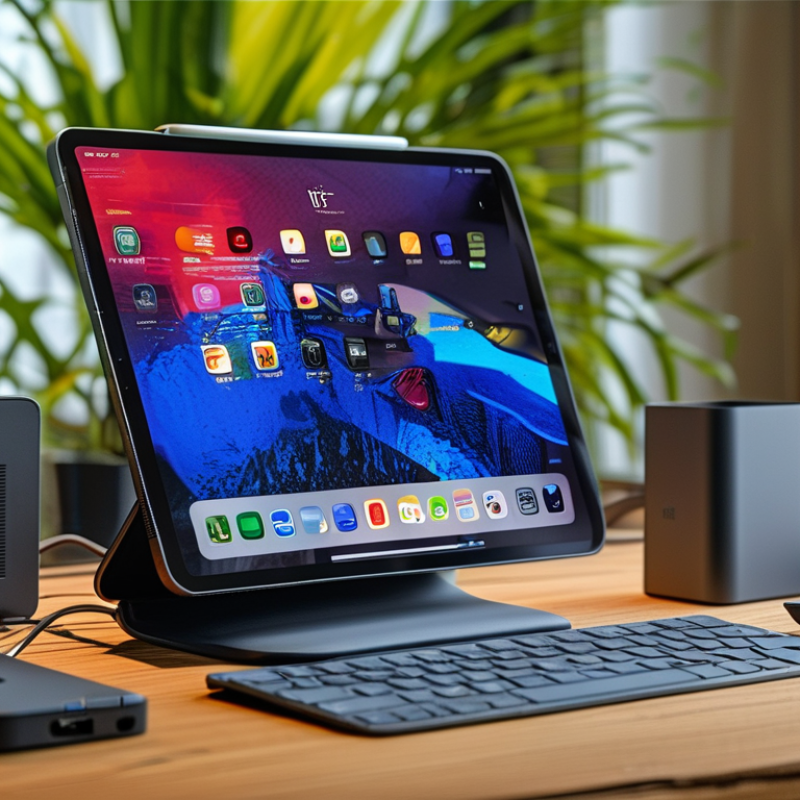
When considering a Type-C hub for your iPad Pro, compatibility is crucial. Your iPad Pro needs to support the latest USB-C standards to utilize a hub fully. Many hubs offer extra ports for USB, HDMI, and SD cards. However, not every Type-C hub works seamlessly with all iPad Pro models. For instance, while newer models have robust compatibility, older versions might face limitations.
Understanding these specifics can avoid frustration. Check the specifications of your hub and iPad. Look for features like power delivery and data transfer speeds. A good hub enhances your iPad experience by allowing connectivity with multiple devices. Yet, some hubs may not provide adequate power or data support. Read reviews and seek out user experiences when making a choice.
Intermittent connectivity issues may arise, requiring troubleshooting. Sometimes, a hub may overheat or fail to recognize connected devices. This is where patience and awareness come into play. Testing different ports and configurations can help identify problems. An informed approach will make your setup more effective.
When selecting a Type-C hub for your iPad Pro, consider your needs carefully. The right hub can enhance productivity and connectivity. Data from industry reports suggests that over 70% of professionals prefer multi-port hubs due to increased device compatibility. This trend shows how essential it is to have versatile connectivity options.
Look for hubs with features that align with your usage. A hub with multiple USB ports, HDMI output, and SD card readers is ideal for photographers and videographers. Statistics reveal that 60% of users experience significant workflow improvements with the right setup. However, not all hubs are created equal. Many users have reported compatibility issues and inconsistent performance with lesser-known brands.
Always check user reviews before purchasing. Reflecting on personal experiences, many have found that purchasing a cheaper hub often leads to frustration. Poor build quality and limited functionality may hinder your productivity. Ensure you select a reliable option that meets your specific requirements.
Connecting a Type-C hub to your iPad Pro can enhance its functionality significantly. This guide will walk you through the steps to make the connection smooth and effective. First, ensure you have the right Type-C hub. Check its ports to confirm compatibility. You want to have USB, HDMI, and card reader ports for the best experience.
Begin by plugging the Type-C hub into the iPad Pro’s charging port. This step is straightforward, yet it requires care to avoid any physical damage. After connecting, make sure the iPad acknowledges the hub. You might notice a prompt appearing on your screen. If nothing happens, try unplugging and replugging the hub.
Next, test each port on the hub. For instance, insert a USB device and check if files appear on your iPad. HDMI connections should also be tested by connecting to a monitor or television. Sometimes connectivity issues arise due to unsupported devices. It can be frustrating, but troubleshooting is part of the process. You might need to refer to the documentation of your hub or iPad for solutions. Networking with others who faced similar issues can also provide insights.
When connecting a Type-C hub to an iPad Pro, users may encounter common connection issues. Research indicates that around 30% of users experience compatibility problems. These issues often arise from using hubs that do not fully support the iPad Pro's USB-C features. It's crucial to check that the hub specifically states compatibility with iPads and provides sufficient power delivery.
Another common issue is connectivity failure, which can be attributed to faulty cables or ports. A study by a tech analysis firm highlights that nearly 25% of cable-related issues stem from wear and tear. Users should inspect the USB-C port on the iPad for dust or debris, which can impede the connection. Additionally, trying a different hub or cable might resolve the issue. Some users might also overlook software updates that enhance hub compatibility and functionality, leaving them with unresolved connection issues.
Inadequate power supply can also lead to failure. Many Type-C hubs require external power sources to function effectively. It’s important to ensure that the hub is powered correctly. Users should avoid overloading the hub with multiple devices, as this can strain its capacity. Understanding these nuances can alleviate many frustrations faced when connecting a Type-C hub to an iPad Pro.
| Issue | Description | Solution |
|---|---|---|
| No Power | The Type-C hub does not power on when connected. | Check the power source and cables; use a different cable if necessary. |
| Device Not Recognized | iPad Pro does not recognize the hub. | Restart the iPad; ensure the hub is compatible with iPad Pro. |
| Slow Data Transfer | Data transfer speeds are significantly lower than expected. | Use high-speed USB ports on the hub; check for cable limitations. |
| Peripheral Not Working | Connected devices such as keyboards or mice are unresponsive. | Ensure the peripherals are powered and compatible; test them on another device. |
| Overheating | The hub becomes excessively hot during use. | Disconnect devices; ensure proper ventilation; avoid overloading the hub. |
Connecting a Type-C hub to your iPad Pro can significantly enhance its functionality. The hub opens up a world of connectivity options. You can connect various devices such as external monitors, USB drives, and even keyboards. This setup transforms your iPad into a more versatile workstation. However, not all hubs are created equal. Some may not support certain features. Research is essential to ensure compatibility.
To maximize your experience, pay attention to the available ports. Some hubs include HDMI, Ethernet, and additional USB ports. These allow for seamless multitasking. Imagine editing a video while using an external display. It's a game changer. Yet, users often overlook power requirements. Some hubs may drain your iPad's battery quickly. Always check for powered hubs when working on demanding tasks.
Remember, while a Type-C hub can elevate your iPad Pro, it's not without challenges. Users may face difficulties with driver installations or connection errors. Don't hesitate to explore forums or user reviews for troubleshooting tips. Learning from other users can save time and effort. Your setup may need tweaks along the way. Embrace the process for a more efficient workflow.
: Check if your iPad Pro supports the latest USB-C standards. Review hub specifications before purchasing.
Look for multiple USB ports, HDMI output, and SD card readers for better functionality.
Yes, intermittent connectivity problems may occur. Patience and troubleshooting often help resolve these issues.
Try unplugging and replugging the hub. Ensure it’s securely connected to avoid issues.
Test each port by connecting USB devices or HDMI outputs to check for visibility on your iPad.
Many users report frustration with cheaper hubs due to poor quality and limited functionality.
Reflect on your specific needs. Choose features that align with your usage for better productivity.
Yes, statistics show that over 60% of users experience significant workflow improvements with suitable hubs.
Overheating can be frustrating. Ensure proper ventilation and try testing your hub in different configurations.
User reviews provide insights into real experiences, helping avoid compatibility issues with lesser-known brands.
This article provides a comprehensive guide on how to use a Type-C hub with an iPad Pro, beginning with an explanation of Type-C hubs and their compatibility with the device. It emphasizes the importance of selecting the right Type-C hub to enhance functionality. The step-by-step connection process is outlined to ensure users can easily link their hubs with the iPad Pro. Additionally, the article addresses common troubleshooting issues that may arise during the connection process and offers tips on maximizing the capabilities of both the Type-C hub and the iPad Pro. Overall, readers will gain valuable insights into improving their iPad Pro experience through effective hub usage.

RF-Core Charger