Fast chargers have become essential in today’s fast-paced world. Many users find themselves asking, "Why is my fast charger getting hot?" This common concern stems from the rising dependency on technology. According to a report by the International Data Corporation (IDC), global smartphone shipments reached over 1.5 billion units in 2021. With that surge, the use of fast chargers has intensified, often leading to overheating issues.
Heat generated during charging can indicate underlying problems. A study by TechInsights found that 30% of chargers tested showed signs of excessive heat generation. This can lead to reduced lifespan and efficiency for both the charger and the device. It is important to recognize that not all fast chargers are created equal. Some low-quality chargers may lack proper thermal management, posing risks of overheating.
Understanding these factors is vital. Users must evaluate their charging habits and the equipment they use. For instance, wireless charging often generates more heat than wired counterparts. Thus, recognizing the heating patterns can lead to better practices. Addressing the question, "Why is my fast charger getting hot?" requires a combination of user awareness and quality assessment of charging equipment.
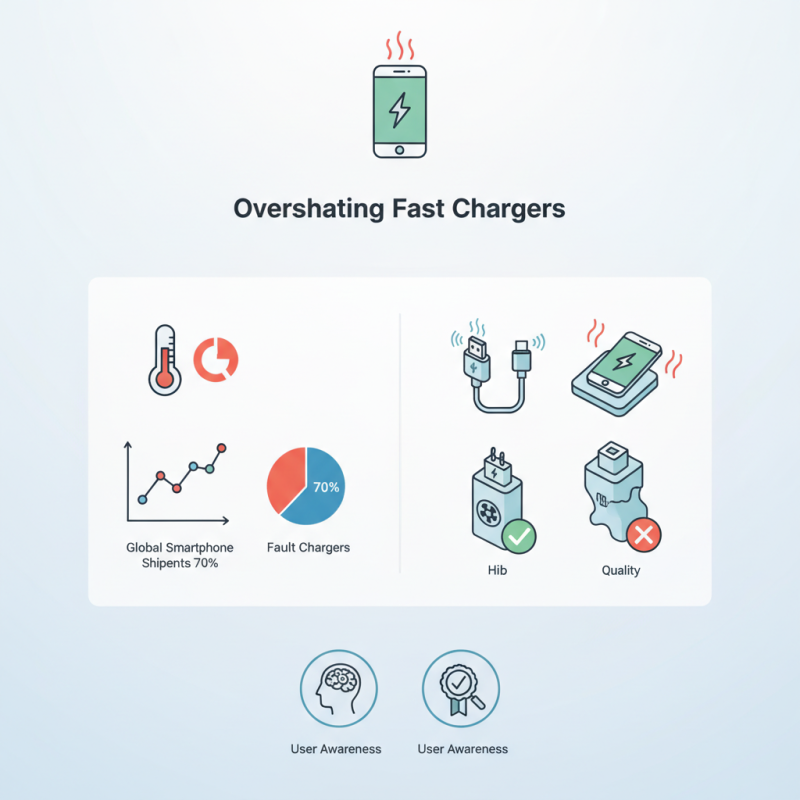
Understanding the Common Causes of Fast Charger Overheating
Fast charger overheating can be a common issue. Reasons for this can vary, but let's explore some key causes. Fast chargers, designed to deliver higher current, can generate significant heat during operation. According to a report from the International Electrotechnical Commission, chargers operating above 70% of their rated capacity can experience performance drops due to thermal stress.
One common factor is poor ventilation. If the charger is placed on soft surfaces or enclosed spaces, airflow is restricted. This can elevate temperatures quickly. Research shows that improper cooling can reduce charger lifespan by over 25%. Furthermore, using a damaged cable can cause increased resistance, leading to heat generation. High-quality cables are essential for efficient power transfer and temperature control.
Another important aspect to consider is charger compatibility. Using a fast charger designed for another device can lead to inefficiencies. Fast chargers are calibrated for specific power needs. Mismatched power requirements can cause overheating risks. In fact, a study by Consumer Electronics Association highlighted that improper usage contributes to 30% of charger failures due to overheating.
The Role of Battery Technology in Charger Temperature Regulation
Fast chargers are designed to provide rapid power to devices, but they can become hot during operation. This heat often stems from the interaction between the charger and battery technology. Modern lithium-ion batteries have advanced significantly, but they remain sensitive to heat. When fast charging, the process generates more heat, leading to potential issues down the line.
Battery technology plays a crucial role in overheating. The internal resistance of a battery can cause energy loss as heat when charging. As a battery ages, this resistance increases, making it less efficient. Users may notice chargers getting hotter with older devices, indicating that it might be time for a battery replacement. Additionally, the materials used in the charger and battery can affect heat management. Advanced thermal management systems help, but they are not foolproof.
Monitoring the temperature of chargers is essential. Excess heat can lead to safety concerns or damage both chargers and devices. Users are encouraged to charge in cooler environments and avoid using damaged charging cables. Reflecting on these practices can enhance user experience and prolong the lifespan of both chargers and devices. Understanding battery technology can empower users to make informed decisions for optimal charging performance.
Charger Temperature Regulation Based on Charging Speed
This chart illustrates the correlation between charging speed (Watts) and the temperature of the charger (°C). As the charging speed increases, the temperature of the charger also rises, which is an important consideration for optimal battery performance and longevity.
Analyzing the Impact of Input Voltage and Amperage on Charging Heat
Fast chargers are designed to deliver high voltages and amperages, significantly reducing charging time. However, this efficiency can lead to heat generation. When chargers push more energy through the device, resistance in the wiring can create heat. This phenomenon is influenced by input voltage and current levels.
Inadequate charging cables can exacerbate the heat problem. If the cable cannot handle the power, it heats up excessively. Regularly inspecting wiring for damage helps maintain safe charging conditions. Additionally, ambient temperature can affect charger performance. High external temperatures may contribute to overheating during the charging process.
Sometimes, users overlook the importance of proper ventilation. A confined space can trap heat, increasing the risk of damage. Taking these factors into consideration enables users to optimize their charging setup. This may involve selecting the right cables and ensuring free airflow around the charger. Adapting to these minor adjustments can lead to a cooler and more efficient charging experience.
Tips for Maintaining Optimal Charging Conditions to Reduce Heat
Fast chargers can become hot during use. This is often due to increased power output and efficiency. However, excessive heat can indicate underlying issues. Managing charging conditions can help prevent overheating.
Ensure your charging environment is well-ventilated. Avoid covering the charger or placing it on soft surfaces like beds or couches. These actions trap heat and elevate temperatures. Keep the area around your charger clear from obstructions. A clutter-free space can enhance airflow, reducing heat buildup.
Regularly inspect your charging cables and ports. Worn or damaged cables can cause resistance, leading to heat. Make sure connections are secure. Loose connections may draw unnecessary power, creating heat. Use chargers that match your device specifications. Mismatched chargers may not only slow charging but also generate excessive heat. Adjusting these small details can contribute to safer charging experiences.
When to Seek Professional Help for a Faulty Charger or Device
Fast chargers may heat up,
and while some warmth is normal, excessive heat can signal underlying problems. If your charger feels
uncomfortably hot, it may be time to take action.
Understanding when to seek professional help is crucial for your safety and the longevity of your devices.
Look for signs of damage to the charger or the device. If you notice
frayed cables,
discoloration, or
swelling, do not ignore them.
These issues can lead to further complications, including potential fires. It’s essential to consult
a professional if any of these signs appear. Even if there are no visible damages,
persistent heat should prompt a closer look.
Remember that some chargers may not suit all devices. Using the wrong charger can lead to
malfunction or
overheating. If you've switched chargers
recently, consider whether the new one is compatible. Trust your instincts; if something feels off,
seek expert advice.
Prioritizing safety over convenience is always wise when dealing with electronics.
FAQS
: Fast charger overheating can occur due to poor ventilation and high current output.
Limited airflow can trap heat, causing temperatures to rise quickly.
Yes, damaged cables increase resistance, generating more heat during charging.
Using mismatched chargers can lead to inefficiencies and overheating risks.
Aging batteries generate more heat due to increased internal resistance.
Charge in a cooler environment and inspect cables for damage.
Keep chargers on hard surfaces. Ensure good airflow around them.
Soft surfaces trap heat, preventing effective cooling of the charger.
Excess heat can damage both the charger and the device it's powering.
Regularly check cables, ensure proper connections, and use compatible chargers.
Conclusion
In addressing the question, "Why is my fast charger getting hot?", it's essential to understand the common causes of overheating in fast chargers. Factors such as the type of battery technology, which has a significant role in temperature regulation, can contribute to this issue. Additionally, the input voltage and amperage supplied to the charger can greatly impact the heat generated during the charging process.
To mitigate overheating, users should follow tips for maintaining optimal charging conditions, such as avoiding prolonged usage in hot environments and ensuring proper ventilation. If the charger continues to overheat despite these precautions, it may indicate a faulty charger or device, warranting professional assistance to prevent potential hazards. Proper understanding and maintenance can enhance charging efficiency and safety, ultimately prolonging the lifespan of both the charger and the device.

 RF-Core Charger