Why is My Fast Charger Getting Hot While Charging?

Time:2026-07-25 Author:Amelia
0%

When charging devices rapidly, it's common to encounter a concerning issue: heat. Many users wonder, "Why is my fast charger getting hot?" This question highlights the importance of understanding how fast chargers function. These devices are designed to deliver a high amount of power quickly. However, this speed generates heat, which can be alarming.

Fast chargers usually contain advanced technology. They adjust the power output depending on the device's needs. This means that more energy can lead to an increase in heat. Over time, excessive heat may affect the charger’s lifespan. It may also harm your device’s battery health. Understanding the cause of this temperature increase is essential for maintaining device longevity.

Users should be aware of several factors that contribute to heat. Poor ventilation, inadequate cables, or using a non-compatible charger can exacerbate the issue. While some heat is normal, excessive heat should prompt a review of your charging habits. Reflecting on these aspects can lead to better charging practices and improved device care.
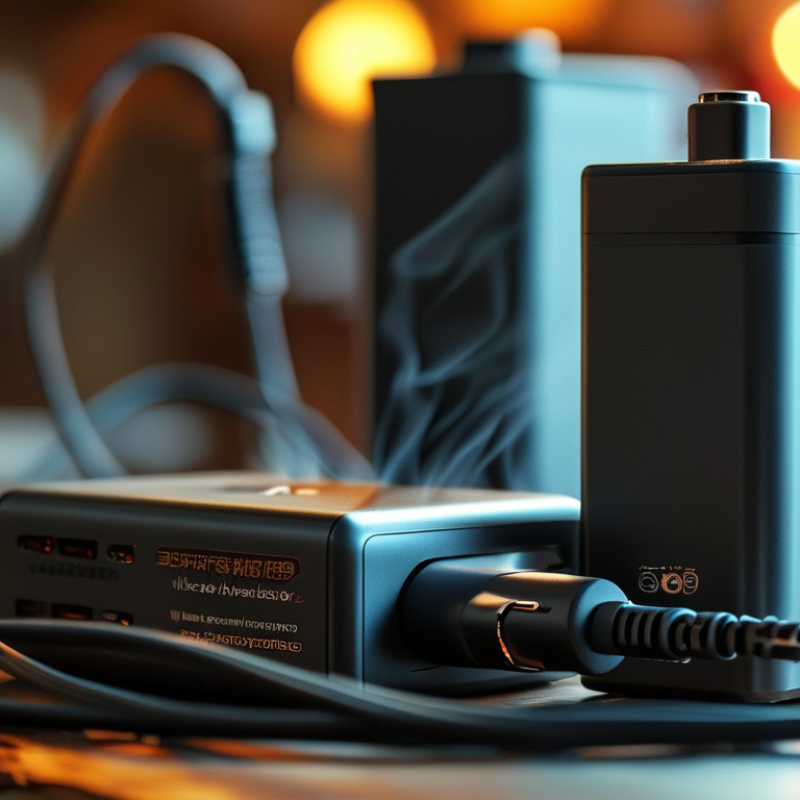
Why is My Fast Charger Getting Hot While Charging?

Understanding Fast Charging Technology and Heat Generation

Fast charging technology has significantly improved how we power our devices. However, you may notice that your fast charger gets hot during use. This heat is largely a byproduct of the charging process and the technology involved. When power is transmitted rapidly, it generates heat due to resistance in the cables and components. This is why chargers can sometimes feel warm to the touch.

Understanding the specific components of a fast charger helps clarify why heat generation occurs. Most fast chargers utilize advanced circuitry to manage power flow. This circuitry controls voltage and current, ensuring devices receive the optimal charge. However, managing higher voltage also results in more heat output. Additionally, inadequate ventilation or poor-quality components can exacerbate heat issues.

While some heat is normal, excessive heating could signal potential problems. Continuous high temperatures might damage the charger or your device. Ensuring that both the charger and device are of good quality reduces risks. It’s important to monitor the situation. If your charger feels unusually hot, reflecting on its condition and usage might prevent future issues.

Common Reasons for Excessive Heat in Fast Chargers

Fast chargers can get hot during operation, and there are several common reasons for this excessive heat. One primary factor is the high current flowing through the charger. Fast charging methods require more power, leading to higher temperatures in the device. Poor ventilation can also contribute to overheating, as limited airflow traps heat, causing the charger to become excessively warm.

Another reason is the quality of the materials used in the charger. Cheaper components often lack the efficiency to handle high power levels without overheating. This can lead to potential risks, such as device damage or even failure.

To ensure optimal performance, consider these tips. Use chargers designed for your device's specifications. Avoid using low-quality chargers that might not regulate power efficiently. Regularly check that the charging area is well-ventilated. Keeping the charger out of direct sunlight can help maintain a lower temperature.

Excessive heat isn't just uncomfortable; it may affect your device's longevity. Monitor charging habits and take breaks when the charger feels unusually warm. Over time, making these small adjustments could prevent larger issues down the line.

Common Reasons for Excessive Heat in Fast Chargers

The Role of Battery Chemistry in Heat Production

Heat generation during charging is a common phenomenon, particularly with fast chargers. Understanding battery chemistry is crucial to addressing this issue. Lithium-ion batteries, the most widely used type, rely on electrochemical reactions to store energy. During fast charging, these reactions occur at an accelerated rate, generating significant heat. The faster the charge, the more pronounced this effect becomes.

Studies indicate that battery temperature can rise by 15-30 degrees Celsius during rapid charging. According to a report by the International Electrotechnical Commission, maintaining optimal battery temperatures is essential for longevity. Excessive heat can degrade battery health and reduce lifespan, leading to performance issues over time.

Poor design choices can exacerbate temperature issues. For instance, inadequate airflow around the charger can trap heat, leading to overheating. It’s also important to consider the ambient temperature during charging. High external temperatures can worsen heat generation in batteries. Therefore, using chargers in cooler environments can help mitigate heat buildup. Balancing speed with temperature management remains a challenge for technicians and developers alike.

Safe Operating Temperatures for Fast Chargers

Fast chargers can get unusually hot during operation. This heat is often a result of increased power transfer. However, there are safe operating temperatures to consider. Most fast chargers are designed to function efficiently between 30°C to 60°C. Exceeding this range can lead to performance issues or safety hazards.

To ensure your fast charger remains within safe limits, avoid using it in enclosed spaces. High ambient temperatures can contribute to overheating. Keep the charger on a hard, flat surface. This allows for better airflow and cooling.

Monitor heat levels during use. If the charger feels excessively hot, disconnect it immediately. Let it cool down before using it again. Regularly inspect your charging cables. Damaged cables can cause power spikes, increasing heat generation.

Remember, while some heat is normal, excessive heat is a red flag. Prioritizing safety can help prevent damage to your devices and chargers.

Tips to Prevent Overheating While Using Fast Chargers

Fast chargers are known for their efficiency, but they can also generate heat during operation. Overheating can lead to hardware damage and reduced battery lifespan. To mitigate this risk, it's crucial to adopt some best practices.

One key tip is to ensure your device is in a cool environment while charging. A study from the Institute of Electrical and Electronics Engineers (IEEE) found that charging temperatures should ideally stay below 40°C to prolong battery life. If your charger or device feels hot, consider moving them to a cooler location. Avoid using your phone while it's charging as this can create additional heat.

Using high-quality charging cables is also vital. Cheap or damaged cables can cause resistance, leading to increased heat generation. According to a report by the Battery University, cables with higher ampacity can reduce overheating risks significantly. Regularly check your charger and cables for any wear and tear. Ensure they're compatible with your device's power requirements. Taking these steps can help you manage overheating effectively.

FAQS

: Why do fast chargers get hot?

: Fast chargers generate heat due to high current flow required for rapid charging.

How does poor ventilation affect chargers?

Poor ventilation traps heat, causing the charger to become excessively warm during operation.

Can low-quality chargers cause overheating?

Yes, cheaper materials may not handle high power efficiently, leading to overheating risks.

What are tips to prevent charger overheating?

Use device-specific chargers, ensure proper ventilation, and keep chargers out of direct sunlight.

How does battery chemistry relate to heat production?

Lithium-ion batteries generate heat during charging due to accelerated electrochemical reactions.

Does ambient temperature affect charging heat?

Yes, charging in high temperatures can worsen heat generation in batteries and chargers.

How much can battery temperature rise during fast charging?

Battery temperature can increase by 15-30 degrees Celsius when charging rapidly.

What impact does excessive heat have on devices?

Excessive heat can degrade battery health, reducing the overall lifespan and performance of devices.

Should I monitor my charging habits?

Yes, taking breaks when the charger is unusually warm can prevent larger issues later.

Is balancing speed and temperature management a challenge?

Yes, it's a challenge faced by technicians and developers in the industry.

Conclusion

In addressing the question, "Why is my fast charger getting hot," it's essential to understand the technology behind fast charging and the heat it generates. Fast chargers deliver higher currents to efficiently charge devices quickly, but this increased power can lead to excessive heat production. Common reasons for this overheating include poor ventilation, usage of substandard cables, or charging incompatible devices that draw more power than intended.

Additionally, the chemistry of the battery plays a crucial role in heat generation during charging. Lithium-ion batteries, for example, may produce heat due to internal resistance. To ensure safe operation, it’s vital to keep chargers within recommended temperature ranges. Users can adopt several tips to prevent overheating, such as using quality charging equipment, allowing for adequate airflow, and avoiding charging in hot environments. By understanding these factors, users can mitigate the risks associated with fast charger overheating.

Amelia

Amelia

Amelia is a seasoned marketing professional with a wealth of expertise in our company’s core offerings. With an unwavering passion for driving growth and innovation, she plays a pivotal role in shaping our marketing strategies and enhancing brand visibility. A key aspect of her responsibilities......