In today’s tech-driven world, encountering a problem with a USB-C port not charging is frustrating. John Smith, a seasoned electronics repair expert, states, “Identifying the root cause is crucial in solving charging issues.” Understanding how to fix a USB-C port not charging can save you time and money, leading to a more efficient device usage.
Devices with USB-C ports are ubiquitous, found in smartphones, laptops, and more. Yet, these ports can fail, resulting in charging dilemmas. A loose connection or debris can sometimes be the simple culprit. However, the issue may lie deeper within the device's hardware. Many users overlook the potential for software conflicts that hinder charging.
Patience is key. Each step in troubleshooting should be approached with care. Sometimes, it’s easy to become frustrated with the situation. But taking a systematic approach opens pathways to solutions. Remember, not every problem is straightforward, and some may require professional help to address effectively. Exploring how to fix a USB-C port not charging equips you with the knowledge to tackle various scenarios confidently.
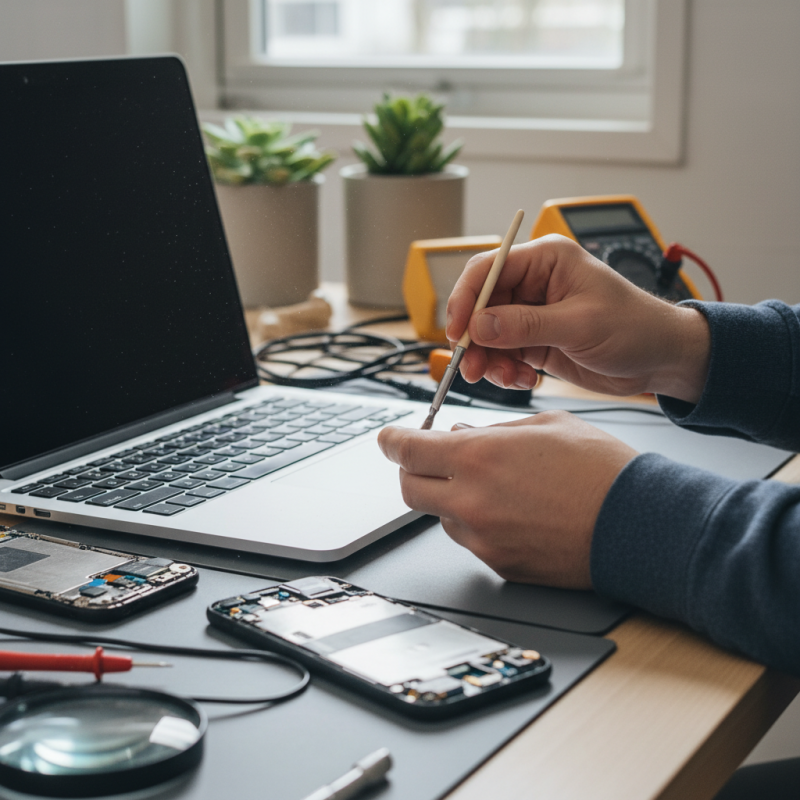
USB-C has revolutionized the way we charge our devices. Understanding the charging standards and specifications is crucial. Many users struggle with malfunctioning USB-C ports without fully grasping how they work. The USB-C standard supports various power levels and data speeds, allowing for versatility across devices. A typical USB-C cable can deliver power up to 100 watts. However, not all cables and chargers are created equal.
Not all USB-C ports support the same features. For instance, some might enable fast charging, while others provide basic functionality. This discrepancy can lead to confusion. It's essential to check the specifications of your device and charger. You might find that using a non-compliant cable can hinder charging efficiency or even damage your device.
Keeping your USB-C port clean can also aid in achieving optimal performance. Dust and debris can disrupt the connection, leading users to think a port is faulty. Regularly inspect and clean the ports—pay attention to the small details. If you experience ongoing issues, thorough troubleshooting may reveal underlying problems related to compatibility or hardware faults. Understanding these fundamental aspects of USB-C charging can prevent frustration and improve your device’s performance.
USB-C ports are becoming ubiquitous, but issues do arise. Understanding common causes can help you troubleshoot effectively. One primary issue is debris in the port. Dust, lint, or tiny particles can block the connection and prevent charging. A simple cleaning can often resolve this problem.
Another frequent concern is a faulty cable. USB-C cables can wear out over time. Inspect the cable for frays or bends. If it appears damaged, replacing it may be necessary. Additionally, power source might also be the culprit. Not all USB-C chargers are created equal. Some might not provide adequate power for your device. Always ensure that your charger meets the required specifications.
Sometimes, the problem lies within the device itself. Software bugs can affect charging capabilities. Restarting the device can eliminate temporary software glitches. If the issue persists, consider a factory reset. This can restore original settings, but be cautious as it erases data. Identify these common pitfalls to better understand your USB-C charging issues.
| Common Causes | Description | Solutions |
|---|---|---|
| Dirty Ports | Dust and debris can obstruct the connection. | Clean the port with compressed air or a soft brush. |
| Damaged Cable | Cables can become frayed or broken over time. | Inspect the cable for damage; replace if necessary. |
| Faulty Adapter | Chargers can fail to supply adequate power. | Try using a different USB-C adapter to charge. |
| Software Issues | Software bugs can interfere with charging. | Restart the device or check for software updates. |
| Overheating | Excess heat can disable charging temporarily. | Allow the device to cool down before charging. |
Troubleshooting USB-C charging issues can feel frustrating.
Step one is inspecting the port for dust or debris. A small brush or compressed air can help clear it.
Make sure to check the alignment of the connector. Sometimes, there’s nothing wrong;
the cable just isn’t seated properly.
Next, test with a different cable and charger.
It’s surprising how often the problem lies with the charging accessory.
Look for signs of wear, as frayed cables can hinder charging performance.
Another key point is checking your device's battery health;
a failing battery may need replacement.
Finally, software updates sometimes fix bugs that affect charging.
It’s wise to keep your device current.
If all else fails, seeking professional help is a good option.
Remember, it’s okay to feel stuck at times; troubleshooting can involve some trial and error.
Maintaining the functionality of USB-C ports is crucial for seamless device use. Over 70% of users report issues with charging due to poor port care. Simple preventive measures can extend the lifespan of your USB-C port significantly.
Regular cleaning of the port is essential. Dust and lint can accumulate, disrupting connections. Use a soft brush or compressed air to keep the port clear. Additionally, avoid forcing plugs into the port. This can cause hardware damage that might lead to significant issues in the long run. Industry studies show that improper insertion is a leading cause of port failure.
Another tip is to handle charging cables with care. Excessive bending or twisting can damage both the cable and the port. Investing in higher-quality cables can pay off; they often have better durability.
Furthermore, always unplug your devices when not in use. Leaving devices plugged can lead to overheating, which may cause further damage. Implementing these practices can help avoid costly repairs and replacements. Protecting your USB-C port should be a priority for any tech user.
When dealing with a USB-C port that won't charge, there are moments when DIY fixes fall short. If you've tried cleaning the port and using different cables without success, it might be time to consider professional repair. Sometimes, internal damage is hard to detect. A technician can diagnose issues caused by physical stress or liquid exposure.
Observing strange behavior, such as intermittent charging or overheating, signals deeper problems. Even if your device appears to charge occasionally, the underlying issue could worsen. This unpredictability makes expert evaluation crucial. A repair professional knows how to assess the circuitry and connectors with precision.
Don't ignore warning signs. If you notice any burning smells or slight flickering lights, act promptly. Continued use may lead to more extensive damage. An experienced technician can prevent further complications and provide reassurance. Trusting their expertise often leads to a longer-lasting solution.
: Inspect the port for dust or debris and clear it with a brush or compressed air.
Try using a different cable and charger. Often the problem is with the accessories.
Look for visible frays or damage on the cable. Worn cables can hinder charging.
If the battery health is failing, replacement may be necessary to restore charging functionality.
Yes, updates can fix bugs affecting charging. Keep your device software current for optimal performance.
If cleaning and cable swaps don’t work, it’s time to seek professional repair for deeper issues.
Regular cleaning and careful handling of cables can extend the lifespan of your USB-C ports.
Yes, forcing plugs can cause hardware damage, leading to significant issues later on.
Act quickly and stop using the device. Such signs could indicate serious internal problems.
Leaving devices plugged can cause overheating, leading to potential damage over time.
In the article titled "How to Fix a USB-C Port Not Charging," we explore essential tips for diagnosing and resolving common USB-C charging issues. Understanding USB-C charging standards and specifications is crucial as it lays the foundation for identifying potential problems. Common causes of malfunctions include debris in the port, damaged cables, or compatibility issues.
The article provides a detailed step-by-step troubleshooting guide for users experiencing charging difficulties, along with preventive measures to maintain the functionality of USB-C ports. Additionally, it emphasizes the importance of recognizing when to seek professional repair services if issues persist. By following these tips, users can effectively address and fix their USB-C port not charging problems.

RF-Core Charger