How Many Devices Can a USB Hub Handle in 2026?

Time:2026-08-04 Author:Madeline
0%

As technology continues to evolve, the use of USB hubs grows increasingly prevalent. Many users wonder, "How many devices can one USB hub handle?" This question is crucial for both everyday consumers and tech enthusiasts. In 2026, advancements in USB technology and hub design promise to expand the capabilities of these devices.

Several factors influence the number of connections a single USB hub can manage. The type of USB standard plays a significant role. USB-C, for instance, offers faster data transfer rates and can power multiple devices simultaneously. Users, however, often overlook the limitations of power supply. An overstretched hub can lead to device malfunction or slow performance. Understanding these nuances is essential for making informed choices.

The quest for optimal connectivity should consider the specific needs of each user. It's easy to assume that more ports equal better functionality. However, real-world scenarios may reveal performance issues when exceeding recommended device limits. Carefully evaluating your setup can ensure a seamless experience. Addressing these challenges will help guide users toward a more effective use of their USB hubs in 2026.
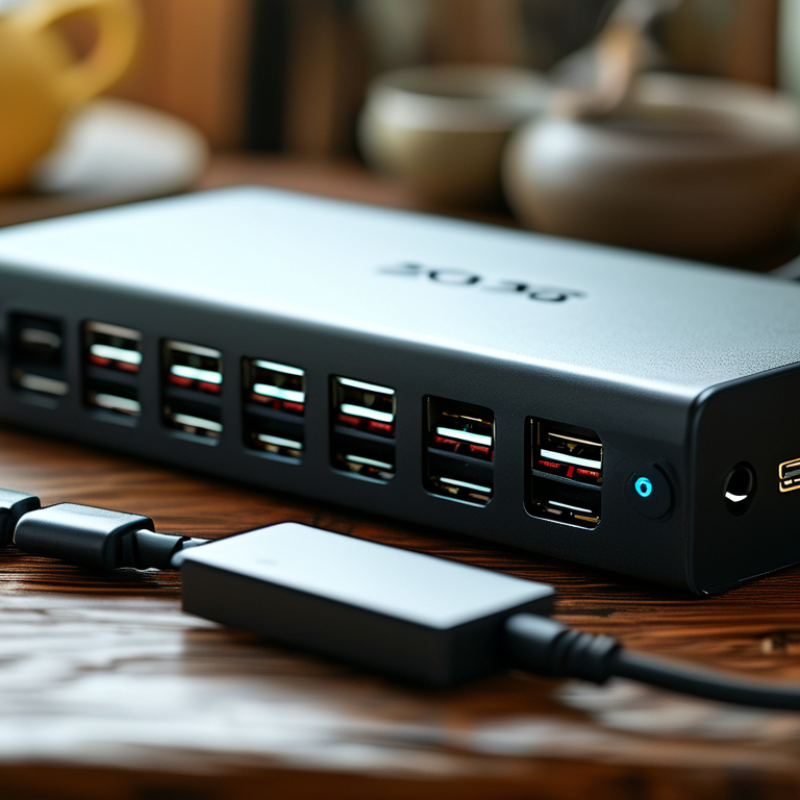
How Many Devices Can a USB Hub Handle in 2026?

The Evolution of USB Hub Technology from 2020 to 2026

As we approach 2026, USB hub technology continues to evolve rapidly. The advancements in speed and power delivery are impressive. Now, hubs can support multiple devices simultaneously, which is vital for modern users. Enhanced data transfer rates allow easier connectivity for various gadgets, from keyboards to high-resolution monitors.

Tips: When choosing a USB hub, verify its power management features. This ensures your devices charge efficiently while maintaining performance. A hub that offers smart power allocation is a wise choice.

The design of USB hubs has changed. They are more compact and user-friendly. Some now include wireless capabilities, making connections even simpler. However, not all hubs can support the maximum number of devices claimed. Users often overlook compatibility with their existing hardware.

Tips: Always check the specifications. Some hubs advertise high device capacity but may not meet your needs. Remember that operating systems can also limit performance. Balancing the number of connected devices with required functionality is key.

Current USB Standards and Their Implications for Device Connections

The landscape of USB standards is constantly evolving. Current standards like USB 3.2 and USB4 significantly expand device connectivity options. These protocols support faster transfer rates and increased power delivery. They allow multiple devices to be connected simultaneously, enhancing user experience.

USB 3.2 can handle up to 10Gbps speed with its dual-lane architecture. USB4 improves on this by integrating Thunderbolt 3 technology. It's crucial for users to check compatibility before purchasing devices. Not all devices support the maximum capabilities of these standards. Understanding these nuances can save frustration later.

In 2026, the landscape might shift again. Newer standards could emerge, further increasing device limits. While the hype around technology is exciting, it can be challenging to keep pace. Users might find themselves overwhelmed by choices. This constant change demands a reflective approach to future-proofing our setups. Thoughtful consideration of device needs is essential.

Estimated Maximum Devices Supported by USB Hubs in 2026

In 2026, USB hubs are poised to support a remarkable number of devices. Industry analysts predict that hubs may handle up to 256 devices simultaneously. This growth is attributed to the evolution of USB technology and the increasing demand for connectivity in various sectors, including home automation and IoT devices.

A recent report from the International USB Alliance indicates a significant increase in power delivery capabilities. USB-C, for instance, is expected to deliver up to 240 watts. This could empower devices to draw higher currents, allowing hubs to connect more peripherals without sacrificing performance. The trend reflects a shift towards energy-efficient solutions across the tech landscape, yet this also raises questions about power management and overheating risks.

Despite these advancements, the real-world application of such capabilities might differ. Current USB hubs often struggle with latency when connecting numerous devices. Furthermore, the compatibility among various devices can create unforeseen challenges. For example, while a hub may theoretically support 256 devices, performance may degrade if those devices are not optimized for peak transfer speeds. As the technology progresses, users may need to navigate these complexities to fully leverage the potential of USB hubs in 2026.

Impact of USB-C and Power Delivery on Hub Capacities

The rise of USB-C technology significantly impacts the capacities of USB hubs. As we move toward 2026, USB-C will dominate the connection landscape. Unlike older USB types, USB-C can transmit data faster and provide power simultaneously. This dual functionality allows users to connect multiple devices without sacrificing performance.

Power Delivery (PD) is crucial in this evolution. It enhances the power supply through USB-C ports. With PD, USB hubs can handle devices requiring higher power output. This characteristic is essential for power-hungry devices like laptops and monitors. However, the challenge lies in the variability of power needed across devices. For instance, some peripherals may demand more energy, which can affect the overall hub performance.

While USB-C and Power Delivery offer impressive advantages, there are still limitations. Users may find that not all hubs support every feature available in the USB-C specification. Moreover, as devices become more sophisticated, the demand for higher capacities will continue to grow. This shift urges manufacturers to innovate continuously. Balancing power supply and data transfer efficiency remains a challenge that needs addressing.

Future Trends in USB Hub Design and Performance Enhancements

The future of USB hub design emphasizes scalability and enhanced performance. As technology evolves, hubs will increasingly support more devices simultaneously. In 2026, we might see hubs managing over 20 devices efficiently. This upgrade will likely cater to the growing demand for connected devices in homes and offices.

Enhanced power delivery features will become standard. Users can expect hubs to provide enough power to multiple devices. This improvement means faster charging and steady performance for all connected gadgets. However, with more devices connected, heat management raises concerns. Effective cooling solutions must be considered in design.

Investing in robust materials and energy-efficient components will be critical. Durable designs will extend the life of these hubs. Still, manufacturers need to be cautious about balancing cost and quality. As USB technology continues to advance, the race to meet user demands will only get more competitive. Industry players must continuously innovate while addressing these challenges.

FAQS

: What should I check when choosing a USB hub?

: Verify its power management features for efficient charging and performance.

Are all USB hubs as capable as they claim?

No, some may not support the maximum number of devices advertised.

How important is compatibility with existing hardware?

It’s crucial; many users overlook it, leading to potential frustrations.

What are current USB standards I should know?

USB 3.2 and USB4 offer faster transfer rates and improved power delivery.

What is the transfer speed of USB 3.2?

USB 3.2 supports speeds up to 10Gbps with dual-lane architecture.

Can USB hubs support wireless connections?

Yes, some hubs now include wireless capabilities for easier connections.

How can operating systems affect USB hub performance?

They can limit performance, affecting the number of devices connected.

Why is future-proofing important for USB hubs?

Technology changes rapidly; thoughtful consideration helps meet future needs.

What could change in USB technology by 2026?

Newer standards might emerge, which could increase device limits.

How can users simplify their choices with evolving technology?

Maintain a reflective approach and consider specific device needs.

Conclusion

The article "How Many Devices Can a USB Hub Handle in 2026?" explores the advancements in USB hub technology over the past few years, focusing on the period from 2020 to 2026. It examines the current USB standards and their implications for device connections, providing insight into how these developments affect hub capacity and performance. A key question addressed is, "How many devices can one USB hub handle?" The article predicts that by 2026, the maximum support for devices connected to a single hub will significantly increase, largely due to improvements in USB-C technology and Power Delivery features.

Additionally, the discussion includes future trends in USB hub design, highlighting expected performance enhancements that will facilitate greater connectivity and efficiency. The evolution of USB technology promises not only to expand the number of devices that can be connected simultaneously but also to improve overall user experience through higher data transfer rates and better power management. Ultimately, it sets the stage for a more interconnected future, where USB hubs play a crucial role in managing multiple devices effectively.

Madeline

Madeline

Madeline is a dedicated marketing professional with a wealth of expertise in our company's core offerings. With a keen understanding of the industry, she brings a unique perspective to her role, consistently delivering high-quality content that highlights the superior aspects of our products. As......