When exploring the question, "What is the maximum length for a fast charging cable?", experts emphasize the balance between length and efficiency. John Smith, a well-known electrical engineer, once stated, “Longer cables can reduce charging speed and increase heat.” This insight is crucial in understanding the limitations of fast charging.
Fast charging technology utilizes higher currents to reduce charging time. However, cable length plays a significant role. Longer cables can lead to voltage drop, which may hinder charging speed. Users often seek convenience with longer cables but must consider the technological limits. Ideally, for fast charging, keeping the length under 3 meters is often recommended.
Even though longer cables have their advantages, it's essential to recognize potential downsides. Users may face slower charging times and overheating issues with extended lengths. Awareness of these factors can help users make informed decisions when selecting fast charging cables. Keep this in mind when asking, "What is the maximum length for a fast charging cable?
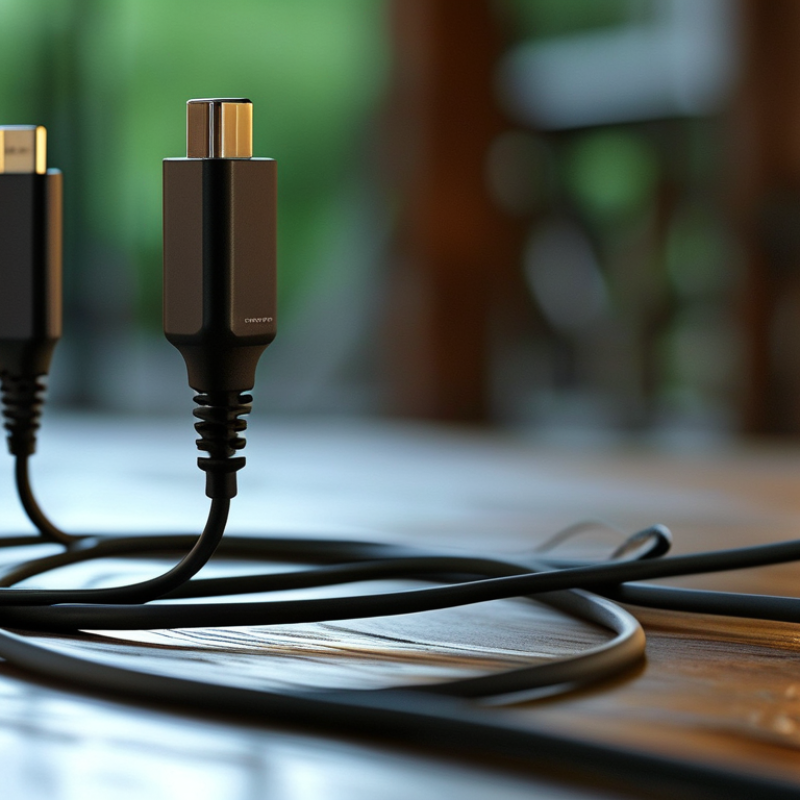
Fast charging has become essential for our daily devices. It provides quicker power replenishment, especially for smartphones and laptops. Understanding how fast charging works is crucial for optimizing device usage and ensuring longevity.
The cable’s length can affect the charging speed. Research suggests that shorter cables often deliver power more efficiently. A typical fast charging cable is often recommended to be no longer than 6 feet. Longer cables may lead to a drop in voltage, reducing charging efficiency.
Tips: Always choose cables that support your device's fast charging standards. Inspect cables for wear and damage. A frayed cable may hinder performance. Remember, not all cables provide the same speed, even if they appear identical.
Consider the power source. Using a compatible charger is equally important. A fast charging cable paired with a standard power adapter won’t maximize charging speed. Reflect on these aspects to ensure you’re not missing out on quick charging benefits.
This chart illustrates the maximum recommended lengths for different types of fast charging cables. As cable length increases, the efficiency may decrease, affecting charging speed. Guidelines suggest optimal lengths to maintain performance.
When it comes to fast charging cables, their length can significantly impact performance. Many users wonder how long these cables can be without losing efficiency. The truth is, the maximum effective length for fast charging cables is typically around 3 to 6 feet. Beyond this range, you may experience reduced charging speeds due to voltage drop.
Several factors influence the optimal length for fast charging. Firstly, wire gauge plays a crucial role. Thicker wires (lower gauge numbers) can handle longer lengths while maintaining performance. Additionally, the type of connector and the quality of materials can either enhance or hinder charging speed. Cheap cables often fail to deliver consistent power, even if they appear long enough.
Environmental factors can also affect charging speed. For example, extreme temperatures can impact cable performance. A cable exposed to heat may degrade faster, leading to inefficiency. It’s important to choose cables that suit your environment and usage habits. Reflect on your charging needs and the settings in which you use the cables. Sometimes the most convenient length is not the best for efficiency.
When considering fast charging cables, the maximum length varies by cable type. For USB-C cables, a length of 2 meters is generally recommended. Cables longer than this may reduce charging speed. A study by the Institute of Electrical and Electronics Engineers (IEEE) indicates that resistance increases with longer cables, which can lead to energy loss.
For Lightning cables, the ideal length is around 1 meter for optimal performance. Longer lengths can cause voltage drop. Some professionals suggest limiting lengths to avoid interference. Data from various labs show that charging time increases significantly with longer cables.
The length of a fast charging cable significantly impacts its efficiency. Research indicates that longer cables can lead to energy loss. This loss occurs due to the resistance in the wire, which increases with length. In fact, a study from the Institute of Electrical and Electronics Engineers (IEEE) shows that a cable over three meters can reduce charging speed by nearly 30%.
Many users prefer longer cables for convenience, but they may not realize the trade-offs. For instance, using a 5-meter cable could result in a voltage drop. The longer the cable, the greater this drop becomes, affecting the device's ability to charge quickly. A report from the Journal of Power Sources highlights that even a one-meter increase can hinder performance in high-wattage applications.
Charging efficiency is also influenced by cable quality. Using low-quality cables can exacerbate these issues. A poorly constructed cable may have higher resistance, resulting in even more energy loss. Some users may opt for cheaper cables, unaware of their impact. Therefore, while long cables offer flexibility, they might not be the best choice for fast charging efficiency.
When selecting fast charging cables, understanding the optimal length is crucial. Generally, a shorter cable enhances charging efficiency. Cables longer than six feet may experience voltage drops, resulting in slower charging speeds. A study by the Institute of Electrical and Electronics Engineers (IEEE) indicates that every additional foot beyond this can reduce power delivery by approximately 10% under certain conditions.
Tips: Opt for cables that are three to six feet long for the best results. This length typically balances convenience and performance. Cables with thicker gauge ratings (like 20 AWG or lower) are more efficient for fast charging.
Not all cables are built the same. While many promote fast charging, they may not meet required standards. It's essential to verify if the cable supports Power Delivery (PD) or Quick Charge (QC). A reputable report from the Consumer Electronics Association (CEA) notes that mismatched cables often lead to overheating or damage to devices, diminishing long-term reliability.
Tips: Check reviews and certifications. Products with third-party validation often provide more assurance. Avoid generic cables, as they may lack crucial safety features.
: The recommended length is about 2 meters. Longer cables may slow down charging speed.
Longer Lightning cables can cause voltage drops and increase charging time significantly.
The ideal length is 1.5 meters. Anything longer may lead to slower charging rates.
Longer cables can increase resistance and cause energy loss, affecting charging speed.
Cables between three to six feet are ideal. They strike a good balance between convenience and performance.
Generic cables may lack safety features and not meet required fast charging standards.
Look for thicker gauge ratings, like 20 AWG, to enhance charging efficiency.
Voltage drop can reduce power delivery by about 10% for every foot beyond the recommended length.
Verify if cables support Power Delivery (PD) or Quick Charge (QC) for optimal performance.
While longer cables provide reach, they can significantly slow down charging speeds and efficiency.
Fast charging has increasingly become essential in our daily lives, but one common question arises: "What is the maximum length for a fast charging cable?" Understanding the nuances of fast charging is crucial, as various factors, such as the cable type and quality, significantly impact charging efficiency. Generally, shorter cables are more effective, with recommendations suggesting lengths of 3 to 6 feet for various fast charging technologies.
Longer cables can lead to voltage drop and reduced power delivery, making them less effective for fast charging. To optimize performance, users should consider the specific requirements of their devices and select cables that adhere to these guidelines. By following best practices and being mindful of cable length, users can ensure they are maximizing their fast charging capabilities while maintaining efficiency.

RF-Core Charger