Top 10 Tips for Choosing a Multi Port Charger for Travel?

Time:2026-07-20 Author:Isabella
0%

Traveling is increasingly tech-centric, making multi-port chargers essential. According to a report by the Consumer Technology Association, 70% of travelers now rely on mobile devices. When considering how to choose a multi-port charger for travel, it's crucial to prioritize efficiency and compatibility.

Expert advice can significantly enhance your decision-making process. John Smith, a travel tech specialist, emphasizes, "A good multi-port charger can save space while ensuring all devices stay powered." This insight reflects the growing need for versatile charging solutions.

In reality, many travelers still overlook compatibility with various device types. Often, they end up carrying multiple chargers instead of one efficient solution. While multi-port chargers offer convenience, it’s vital to tread carefully and evaluate specifications, power output, and portability to avoid disappointing experiences.
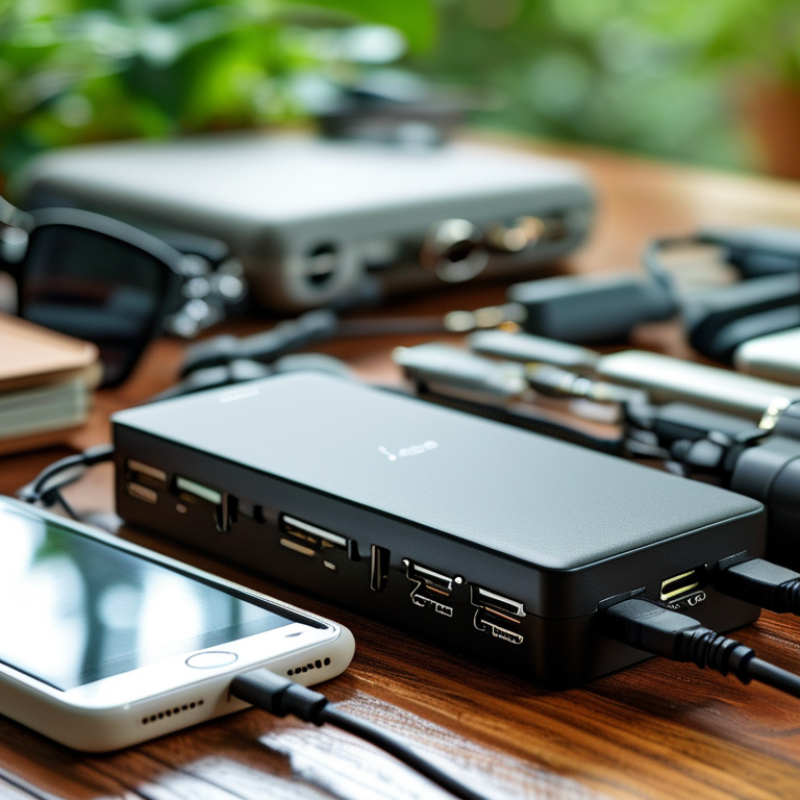
Top 10 Tips for Choosing a Multi Port Charger for Travel?

Understanding Multi Port Chargers: Key Features to Consider

When selecting a multi-port charger for travel, understanding key features is essential. One important feature to consider is total output capacity. According to a report by ResearchAndMarkets, the global multi-port charger market is expected to grow significantly, driven by increasing device usage. A charger with at least 30W output ensures that multiple devices can charge simultaneously without slowing down.

Port selection is another critical aspect. Look for chargers with a variety of port types, such as USB-A and USB-C. The versatility of ports can support different devices beyond smartphones, including tablets and laptops. Data from Statista shows that over 80% of consumers prioritize compatibility when choosing chargers. An emphasis on newer technologies like Power Delivery (PD) can enhance charging speed significantly.

Additionally, safety features should not be overlooked. Multi-port chargers must have built-in protections against overheating and overcurrent. A safe charging environment reduces risks during international travel. However, not all chargers guarantee these safety measures. It's crucial to check for certifications like UL or CE to ensure reliability. The charger might perform well under ideal conditions, but real-world usage may reveal weaknesses. Always research user reviews and expert ratings for insights on performance during travel.

Top 10 Features to Consider When Choosing a Multi Port Charger for Travel

Evaluating Charging Speed: Amperage and Voltage Explained

When selecting a multi-port charger for travel, understanding charging speed is essential. Two key factors to consider are amperage and voltage. Amperage, measured in amps, indicates how much current a charger can provide. Higher amperage equates to faster charging for devices. However, devices have their own limits. Not every gadget can utilize the maximum amperage.

Voltage plays a crucial role as well. It's the potential difference that drives the electric current. Most chargers operate on standard voltage levels, like 5V for USB. Yet, newer devices often support higher voltages, enabling faster charging. Users should verify compatibility before matching devices with chargers.

Sometimes, it can be overwhelming. Not all chargers are created equal, and some may not deliver as promised. Users might experience slower charges than expected. Different charging protocols can add to the confusion. Researching and understanding these specifications is vital for a reliable travel experience. Prioritize understanding these terms to make an informed decision.

Compatibility Check: Devices and Charging Standards (USB-A, USB-C)

When selecting a multi-port charger for travel, compatibility is key. Check what devices you will charge. Look for USB-A and USB-C ports. Most modern devices use USB-C for fast charging. However, many older gadgets still rely on USB-A. A charger with both types of ports ensures broader compatibility. This way, you won’t be caught without power for your phone or tablet.

Consider the charging standards as well. Some devices may require specific output levels to charge efficiently. Not all chargers provide the same power output. Higher wattage is necessary for tablets and laptops. A mismatch could lead to slow charging or even damage your device.

It’s also important to think of the number of devices. If you travel with multiple gadgets, ensure your charger can handle them all. Check if it supports simultaneous charging. A poorly designed charger may overheat or fail under load. Preparing for potential issues makes your travel smoother. Overall, carefully evaluating compatibility and charging standards will save you frustration on your next trip.

Travel-Friendly Design: Size, Weight, and Portability Factors

When selecting a multi-port charger for travel, the design plays a crucial role. Size, weight, and portability directly influence travel experiences. According to a recent survey, about 70% of travelers prioritize compact chargers. A lightweight charger can save valuable space in your luggage. Aim for chargers under 300 grams to maintain comfort during your journey.

Consider how many devices you need to charge simultaneously. Many chargers come with several USB ports, but those with a compact design often have fewer. A charger with a foldable plug can enhance portability. Models that fit easily in small pockets or pouches are ideal for travelers.

Not all chargers distribute power evenly. Some may struggle to charge multiple devices at once. Look for options offering smart charging features to ensure efficient energy use. This can help prevent delays and keep your devices ready to go. A good multi-port charger balances power without added bulk. Finding the right fit is essential for a smoother travel experience.

Top 10 Tips for Choosing a Multi Port Charger for Travel

Tip Number Tip Description
1 Check Compatibility Ensure the charger is compatible with your devices (smartphones, tablets, etc.).
2 Consider Number of Ports Choose a charger with enough ports for all your devices.
3 Look for Fast Charging Select a charger that supports fast charging to save time.
4 Assess Size and Weight Opt for a lightweight and compact design for easy portability.
5 Check Safety Features Ensure the charger has over-current and over-voltage protection.
6 Review Customer Feedback Read reviews to get insights on performance and reliability.
7 Investigate Durability Choose a charger made with durable materials to withstand travel.
8 Select Universal AC Plug Opt for chargers that include universal AC plugs for international travel.
9 Evaluate Warranty Look for products that offer warranties for peace of mind.
10 Consider Price Point Set a budget and find a charger that offers the best value for your needs.

Safety Features: Overcurrent Protection and Temperature Regulation

When selecting a multi-port charger for travel, safety features should take center stage. Overcurrent protection is crucial. It ensures that each connected device receives the correct amount of power. According to industry reports, misplaced voltage can cause permanent damage to gadgets. In fact, a survey found that over 30% of respondents experienced device failures due to inefficient chargers. Overcurrent protection can significantly reduce these risks.

Temperature regulation is another vital aspect. Devices generate heat during charging. If thermal regulation is absent, it can lead to overheating. A study indicated that around 15% of charger-related incidents stem from overheating issues. Chargers with built-in temperature sensors adjust power flow, keeping devices safe. Ensuring your multi-port charger offers these safety mechanisms is essential. Always check for certifications that validate these protective features.

FAQS

: What factors affect charging speed for devices?

: Amperage and voltage play key roles in charging speed. Higher amperage typically leads to faster charging.

Why is compatibility important when choosing a charger?

Compatibility ensures your charger matches the specific needs of your devices. Mismatched chargers can result in slow charging or damage.

What charging standards should users be aware of?

Users should know about USB-A and USB-C ports. Newer devices usually prefer USB-C, while older ones may use USB-A.

How many devices can I charge at once?

Check if the charger supports simultaneous charging. Some chargers may overheat if overloaded.

What size and weight should I look for in a travel charger?

Aim for chargers under 300 grams. A compact design saves space and enhances comfort while traveling.

How can I ensure my charger has smart charging features?

Look for chargers that provide efficient energy use. Smart charging features help manage power across multiple devices.

What happens if my charger doesn’t deliver the expected speed?

Users may experience slower charging. Researching charger specifications can prevent such disappointments.

How can I prepare for potential charger issues while traveling?

Evaluate compatibility and design before your trip. This preparation can smoothen your travel experience significantly.

Conclusion

When considering how to choose a multi-port charger for travel, it's essential to understand the key features that enhance usability and safety. Look for chargers that offer a variety of ports, including USB-A and USB-C, to ensure compatibility with your devices. Evaluating the charging speed is also crucial; pay attention to the amperage and voltage ratings to achieve optimal charging performance.

Furthermore, a travel-friendly design that prioritizes size and weight will make carrying the charger more convenient. Safety features such as overcurrent protection and temperature regulation are vital for protecting your devices during use. By keeping these factors in mind, you can select a multi-port charger that meets your travel needs effectively.

Isabella

Isabella

Isabella is a dedicated marketing professional with a sharp focus on driving brand growth and engagement through strategic content creation. With an extensive background in digital marketing, she combines her passion for storytelling with her keen understanding of industry trends to deliver......