Understanding GaN technology in chargers is essential for anyone interested in modern electronics. GaN, or gallium nitride, is a semiconductor material that enables faster charging with more efficiency. According to Dr. Alice Yu, a leading expert in power electronics, "GaN technology in chargers represents a significant leap forward in energy efficiency."
As consumer demand for faster charging solutions grows, so does the importance of understanding what GaN technology in chargers entails. GaN devices are smaller, lighter, and produce less heat compared to traditional silicon-based chargers. This transformation is changing how we perceive charging speeds and efficiency. However, many are still confused about the benefits and limitations of this technology.
While GaN chargers promise numerous advantages, challenges remain. Not all devices can fully utilize this technology. Some users report compatibility issues with older devices. It is crucial to navigate these aspects carefully. GaN technology in chargers can greatly enhance user experience, but awareness of potential pitfalls is equally important. Understanding this technology can lead to informed decisions that benefit both performance and sustainability.
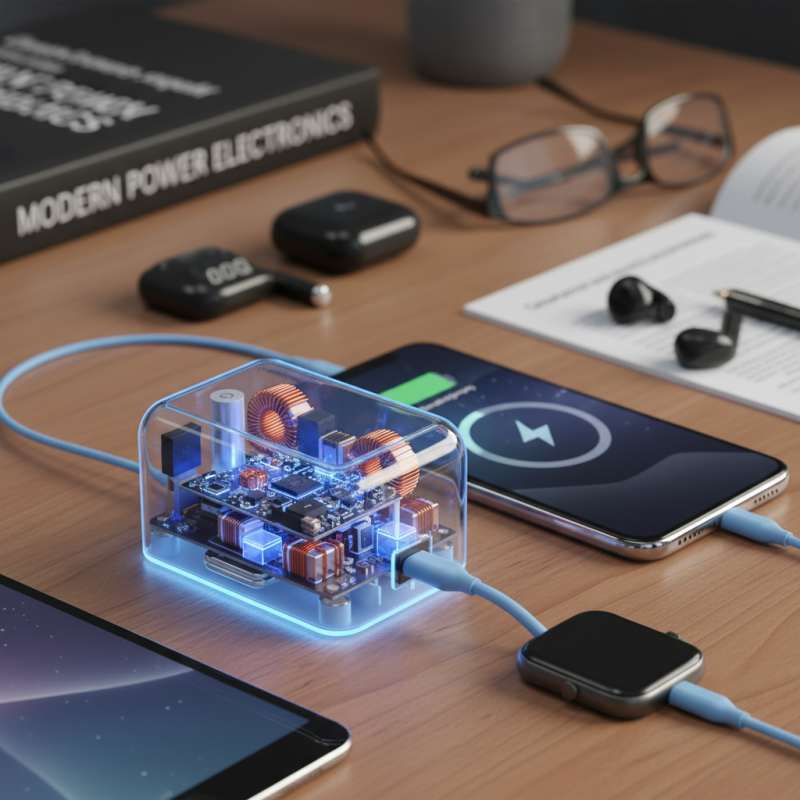
Understanding the Basics of GaN Technology in Chargers
Gallium Nitride (GaN) technology is transforming the landscape of charger design. Unlike traditional silicon, GaN can handle higher voltages and offer better efficiency. This means smaller, lighter chargers. Users often appreciate having compact devices that don’t stray far from their travel gear.
The advantages of GaN are clear. One significant benefit is heat reduction. Chargers using GaN operate cooler and consume less energy. This can lead to longer battery life for devices. However, users still need to consider potential compatibility issues with some older devices. Not all tech can fully leverage GaN’s impressive capabilities.
Understanding GaN also requires looking at the construction of these chargers. Higher efficiency leads to less waste but can result in higher initial costs. Some may wonder if the price is justified. This hesitation highlights the need for careful consideration. Balancing performance, size, and cost is crucial. GaN technology is an exciting field, yet users must approach it thoughtfully.
The Advantages of GaN Over Traditional Silicon Chargers
Gallium Nitride (GaN) technology is revolutionizing the charging landscape. Unlike traditional silicon-based chargers, GaN chargers are smaller yet more efficient. This miniaturization comes from GaN's ability to handle higher voltages and temperatures. As a result, they can convert power faster and with less energy loss. Imagine a charger that fits in your pocket, delivers rapid charging, and runs cooler.
The advantages of GaN over silicon extend to their performance. GaN chargers produce less heat during operation, promoting durability. This lower thermal output can potentially extend the life of the charger itself. Furthermore, the increased efficiency means that devices charge quicker than ever before. However, this technology is still relatively new, which raises questions about reliability over long-term use. Consumers may hesitate to invest fully in GaN chargers due to these uncertainties. Yet, initial feedback indicates these chargers outpace older models in many aspects.
Another factor to consider is compatibility. Not all devices are optimized for GaN chargers, which may lead to inconsistent charging experiences. Users might find that while their newer devices benefit greatly, older models do not show significant improvements. This gap keeps some consumers cautious. While the future of charging with GaN looks bright, understanding its implications and limitations is essential for informed decisions.
Key Components and Functionality of GaN Chargers
GaN technology has transformed the landscape of charger design. Its key components include gallium nitride semiconductors, which enable smaller, more efficient chargers. These semiconductors facilitate faster charging times compared to traditional silicon-based chargers. They also produce less heat, which increases lifespan and reliability.
Tips: Consider the size of the charger. A compact design can save space and enhance portability. GaN chargers are often lighter than their counterparts, making them ideal for travel.
Understanding the functionality of GaN chargers is essential. They convert high voltage to low voltage efficiently. This efficiency helps in charging multiple devices at once without overheating. However, some GaN chargers may not support all devices. Always check compatibility to avoid charging issues.
Tips: Look for chargers that feature multiple ports. This allows users to charge several devices simultaneously. It maximizes convenience, especially during travel. As GaN technology continues to evolve, users should stay informed about emerging features and improvements.
Applications and Use Cases of GaN Technology in Charging Devices
GaN technology has rapidly transformed the charging landscape. Its high efficiency and compact size are significant advantages. This technology is mainly used in smartphone chargers, laptops, and various electronic devices. It allows for faster charging, meaning users can spend less time tethered to an outlet.
In power banks, GaN provides a lightweight solution. Users appreciate the reduced weight and size compared to traditional chargers. The heat management of GaN is better, which extends the lifespan of devices. However, some people worry about compatibility with older devices. Not every gadget supports GaN charging yet, leading to confusion.
Reactions to GaN technology vary. Some praise the speed and efficiency, while others question its practicality. As more devices become compatible, the technology will continue to evolve. Challenges remain, but the potential is undeniable. Educating users is key to maximizing the benefits of GaN chargers.
Understanding GaN Technology in Chargers: Applications and Use Cases
Future Trends and Developments in GaN Charger Technology
GaN (Gallium Nitride) technology is revolutionizing the way we think about chargers. It offers several advantages over traditional silicon-based solutions. GaN chargers are smaller, lighter, and more efficient. This efficiency is crucial as our devices demand faster charging without overheating.
One notable trend in GaN charger technology is the push for higher power outputs. Future models may deliver up to 100W in a compact form. With this change, users can quickly charge laptops and multiple devices simultaneously. However, this technology is still evolving. There are concerns regarding heat management and long-term reliability. These are critical aspects that developers must address.
Tip: Always check the compatibility of your devices with GaN chargers. Not all devices can handle the higher currents. It's best to consult manufacturer guidelines.
Moreover, as the demand for sustainable technology grows, GaN technology is positioned for further advancements. It has lower energy consumption, aligning with green tech initiatives. Nonetheless, as with any rapidly evolving tech, consumers should stay informed. Understanding the nuances of GaN chargers will better equip users for future developments.
Tip: Keep an eye on industry news. Learning about upcoming trends can help you make informed buying decisions.
FAQS
: GaN stands for Gallium Nitride. It improves charger design and efficiency compared to silicon.
GaN handles higher voltages, leading to miniaturization. They can fit in your pocket easily.
Yes, they operate cooler than traditional chargers. This reduces energy waste and may extend device battery life.
No, some older devices may not leverage GaN's capabilities. Compatibility can vary among different models.
While GaN chargers can be pricier, their performance and efficiency may outweigh initial costs for many users.
GaN chargers offer rapid charging times. Devices can charge faster than with traditional silicon chargers.
While they are efficient, GaN technology is relatively new. Users may have concerns about long-term reliability.
Users should think about compatibility and performance. Balancing size, cost, and efficiency is crucial.
Yes, cooler operation can help extend battery life for both the charger and connected devices.
Users should be aware of potential compatibility issues. Some older devices may not benefit fully from GaN technology.
Conclusion
GaN technology in chargers, or Gallium Nitride technology, represents a significant advancement in the charging industry. This technology allows for the development of smaller, more efficient chargers that surpass the traditional silicon-based options. The advantages of GaN over silicon include higher efficiency, reduced heat generation, and compact design, making it ideal for modern charging solutions.
Understanding the key components and functionality of GaN chargers is essential to grasp their growing applications in various devices, from smartphones to laptops. As we explore future trends, it is evident that GaN technology in chargers will continue to evolve, driving innovation towards even faster and more sustainable charging solutions.

 RF-Core Charger