How regulatory alignments, Gallium Nitride (GaN) engineering, and infrastructure scaling are revolutionizing centralized charging deployment.
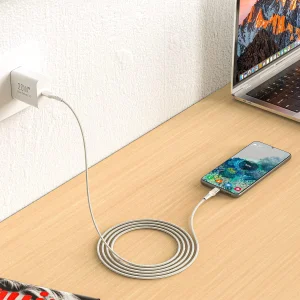
Global dynamics are forcing a definitive migration to USB-C protocols. Driven by the European Union’s Common Charger Directive and similar mandates in India and California, companies are standardizing on the USB Power Delivery (PD) standard. This consolidation limits electronic waste and optimizes device interoperability.
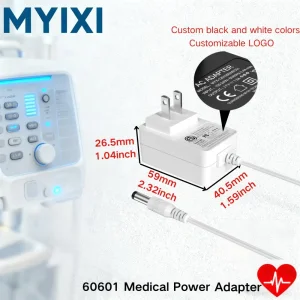
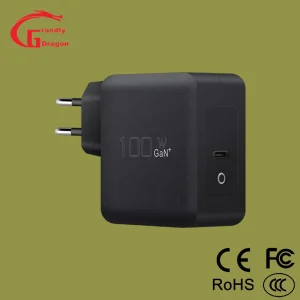
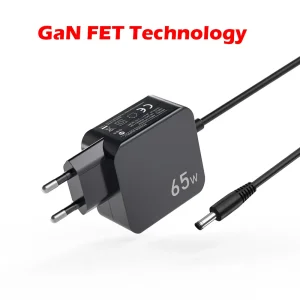
Transitioning from silicon-based chips to Gallium Nitride (GaN) semiconductors enables chargers to operate at vastly higher voltages and switching frequencies. The output is a power brick that delivers 100W+ capacities in profiles up to 50% smaller, minimizing thermal losses and increasing operational longevity.
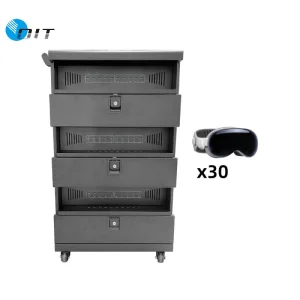
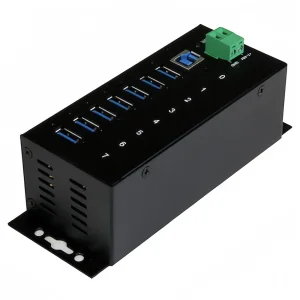
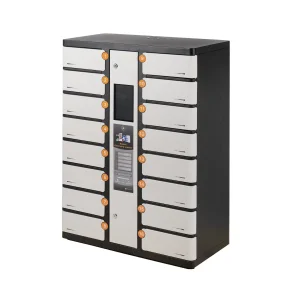
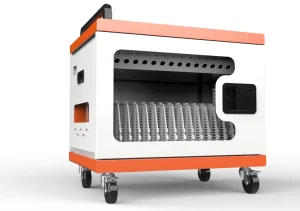
Modern workplaces, schools, and safety sectors require parallel device maintenance. Instead of cluttered outlets, institutions are implementing centralized multiport hubs (varying from 10 to 100 ports) and smart charging lockers. This addresses cable clutter while integrating intelligent current protection mechanisms.
Established as a key high-tech enterprise, Shenzhen RF-Core Charger Co., Ltd. integrates research and development, manufacturing, and global sales, specializing in advanced charging and connectivity solutions for modern digital devices.
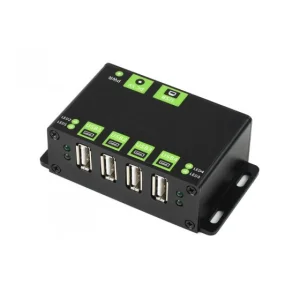
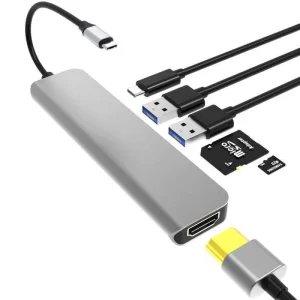
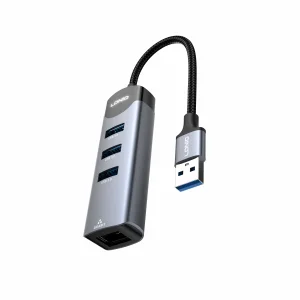
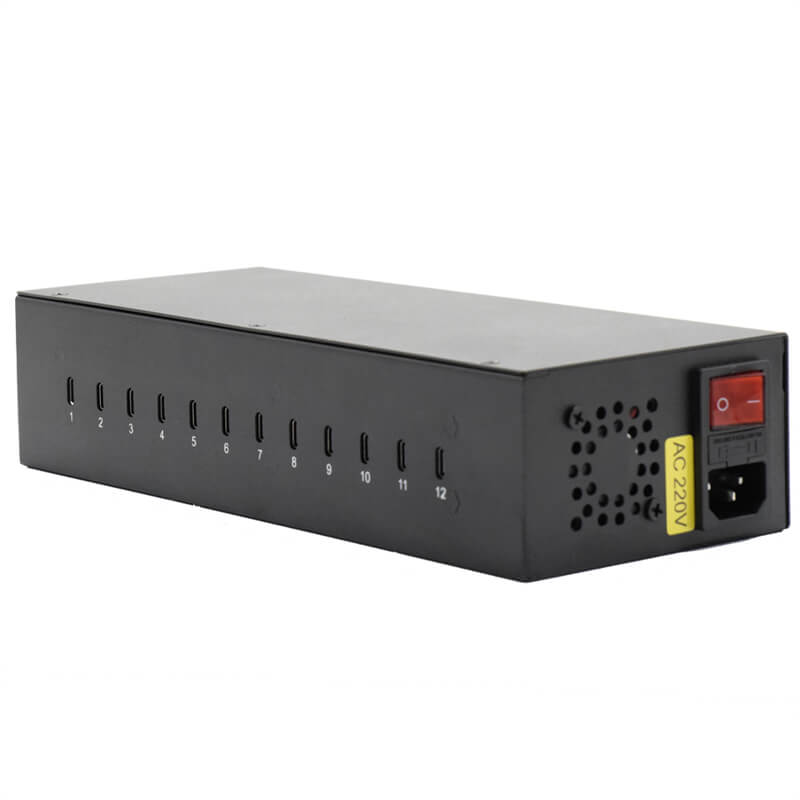
The company focuses on the innovation of multi-port charging technology, offering a comprehensive product range including 10–100 port high-density chargers, intelligent charging cabinets, USB hubs, and high-power fast charging systems. RF-Core is particularly recognized for its expertise in large-scale centralized charging solutions, designed to efficiently support environments where multiple devices need to be charged simultaneously.
Guided by the philosophy of efficiency, reliability, and innovation, RF-Core develops products that deliver faster charging speeds, stable performance, intelligent power distribution, and enhanced safety protection. Its solutions are widely compatible with smartphones, tablets, laptops, and various smart terminals, meeting the evolving demands of digital lifestyles and professional applications.

A key competitive advantage of RF-Core lies in its strong R&D capability and full-process service system. Supported by an experienced engineering team, the company provides one-stop OEM/ODM solutions, covering industrial design, hardware and software development, prototyping, testing, and mass production. This enables customers to achieve faster product development cycles and flexible customization based on specific project requirements.
In addition, RF-Core continuously invests in advanced manufacturing equipment, automated production lines, and rigorous quality control systems to ensure product consistency and reliability. The company is also committed to sustainable development, actively promoting energy-efficient technologies and environmentally friendly materials in its product design and manufacturing processes.
Verified Compliance and Certification Suite:
How our dynamic charging solutions scale across diverse global business verticals and infrastructures.
Deploying 16-way and 30-port SPCC cold-rolled steel charging cabinets to secure, charge, and update student tablets and Chromebooks. Smart load-balancing protects older devices while fast-charging modern school systems.
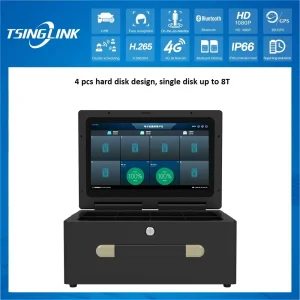
Body-worn video cameras require massive parallel data acquisition and high-current dock charging. RF-Core desktop data capture docking stations synchronize files while safely recharging body cam battery arrays overnight.
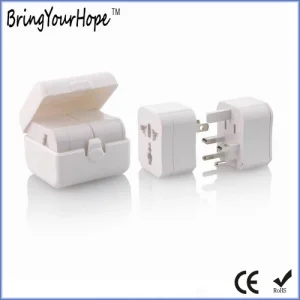
Universal USB-C wall adapters, travel modules, and 10W-30W multi-brand desktop docking chargers offer safe charging points for international travelers using various plugs (UK, EU, US, AU) and different smart devices.
We are shaping the future of global power supply through intelligence, high-density efficiency, and environmental sustainability.
Our engineering focus aims to integrate third and fourth-generation Gallium Nitride power stages. This development yields lower switching resistance and handles up to 240W per port (USB PD 3.1 Extended Power Range) without thermal throttling.
We are refining software-driven power distribution. If a device’s SOC (State of Charge) is below 20%, the system routes maximum current. When it nears 80%, the charger switches to trickling modes to prolong battery life.
Future commercial models will feature Wi-Fi and Bluetooth connectivity, allowing network administrators to monitor charge statuses, toggle power cycles, and check device thermals remotely.
Authoritative answers on compliance, design specifications, and engineering customization for procurement officers and hardware distributors.
 RF-Core Charger