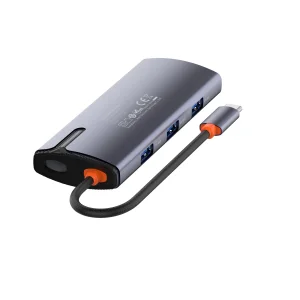
In high-density device deployment contexts—such as academic campuses, dynamic smart offices, and regional distribution centers—maintaining seamless power management has become a critical operational requirement. Selecting a premier switchable USB charging station supplier goes beyond evaluating simple hardware dimensions. It demands an assessment of their engineering infrastructure: how safe their voltage balancing mechanism is, their expertise in smart dynamic switching logic, and how reliably their thermal protection structures operate under full system load.
This technical white paper profiles advanced switchable power distribution systems. We will review critical procurement methodologies and examine the technological innovations engineered by Shenzhen RF-Core Charger Co., Ltd., a high-tech manufacturer specializing in multi-port charging stations and intelligent power delivery networks.
Primary heavy-duty charging carts, multi-port hubs, and high-performance power adapters for high-density environments.
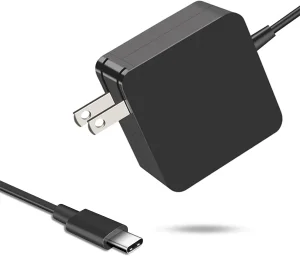
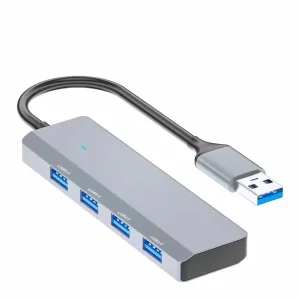
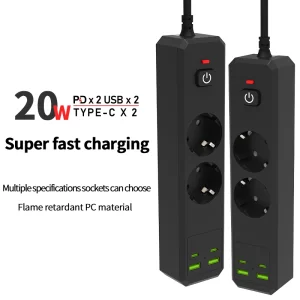
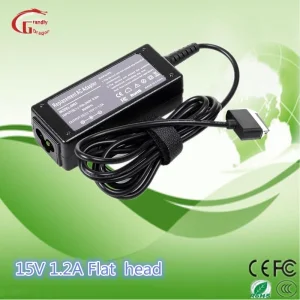
Enterprise buyers from regions like North America, the EU, and APAC must look beyond raw power specifications. Real-world commercial deployments present unique operational challenges, including grid instability, varying thermal environments, and different local regulatory requirements. Modern bulk procurement strategies are shifting towards system integration, smart power allocation, and modular component design.
Modern client devices range from basic IoT peripherals (requiring 5W) to modern enterprise-grade laptops (requiring 65W to 100W+ via USB-C PD 3.1). Procurement projects need to look for systems capable of real-time negotiation, rather than relying on fixed-profile outputs that can under-deliver or overload systems.
High-density multi-port configurations require isolated power paths to protect connected devices. Independent switchable controls prevent issues on one port from affecting adjacent ports, helping protect high-value hardware assets from damage.
Continuous output from dozens of charging ports simultaneously generates significant heat. Charging cabinets and hubs must feature robust heat dissipation designs, such as high-thermal-conductivity materials, ventilated structures, and temperature-controlled fans, to prevent thermal throttling.
"A switchable USB charging station is no longer just a passive distribution block; it serves as a control layer for localized energy management, balancing input source limits against variable device loads."
High-density charging stations are used across many professional environments, each with its own design, interface, and structural requirements:
| Vertical Industry | Primary Deployment Challenge | Recommended Hardware Solution | Key Switchable Feature Requirement |
|---|---|---|---|
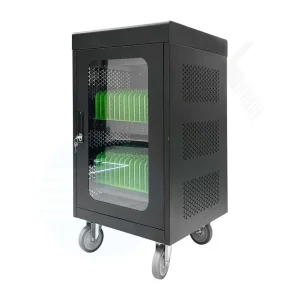
| K-12 & Higher Education | Simultaneous charging of dozens of classroom Chromebooks or tablets in short periods. | Intelligent Charging Cabinets (30 to 60 ports) | Sequential startup to prevent initial current spikes; locking doors for security. |
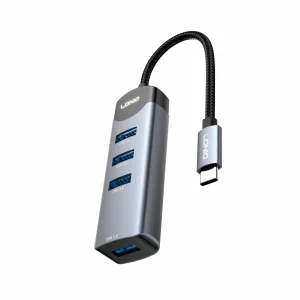
| Smart Offices & Coworking | Multiple power profiles needed for various employee devices (laptops, phones, headphones). | Desktop GaN Multi-Port Hubs (65W - 100W PD) | Dynamic negotiation to adjust power output as devices are plugged and unplugged. |
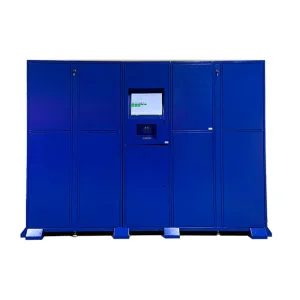
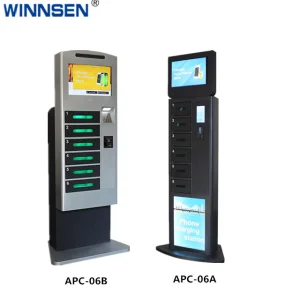
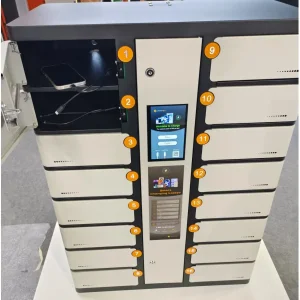
| Logistics & Delivery Hubs | 24/7 rugged operations charging handheld scanners and tablets between shifts. | Smart Lockers & Heavy-duty Charging Racks | Remote power scheduling and real-time status monitoring for each port. |
| Healthcare Facilities | Strict sanitation requirements and the need to prevent electromagnetic interference (EMI). | Medical-grade Charging Carts with antimicrobial coatings | Leakage current protection and EMI shielding to prevent interference with medical equipment. |
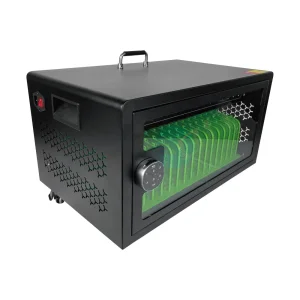
For example, in schools and training centers, the School Classroom Charging Cart (30-way 30W Type-C & USB) provides a consolidated system that protects devices from power surges while keeping them secure and organized.
Shenzhen's manufacturing ecosystem provides major advantages in supply chain integration, component sourcing, and production engineering. Shenzhen RF-Core Charger Co., Ltd. utilizes these regional advantages to deliver high-quality products and efficient manufacturing processes.
Shenzhen RF-Core Charger Co., Ltd. is a high-tech enterprise integrating research and development, manufacturing, and global sales, specializing in advanced charging and connectivity solutions for modern digital devices. The company focuses on the innovation of multi-port charging technology, offering a comprehensive product range including 10–100 port high-density chargers, intelligent charging cabinets, USB hubs, and high-power fast charging systems.
By using automated production lines, Surface Mount Technology (SMT), and automatic testing equipment, RF-Core maintains high precision during manufacturing. Their engineering team provides comprehensive one-stop OEM/ODM solutions, from industrial design and firmware customization to safety certifications and mass production. This vertical integration helps reduce development times and allows for flexible customization options.

This automated production approach helps ensure product consistency and reliability. Through systematic testing—including automated optical inspection (AOI) and dedicated high-temperature aging chambers—every production batch is verified to meet international standards before shipment. This level of quality control is essential for systems deployed in public spaces and corporate environments.
The charging industry is moving towards higher power density, smart control systems, and improved energy efficiency. Several key technologies are shaping the future of multi-port charging stations:
Gallium Nitride (GaN) semiconductors generate less heat and allow for more compact components compared to traditional silicon. This technology enables manufacturers to design smaller multi-port chargers with higher power output, maintaining efficiency even at high loads.
Future charging networks will increasingly feature network connectivity. IT administrators will be able to monitor energy consumption, schedule charging times, update firmware, and receive fault alerts remotely via web dashboards.
With the rise of Vehicle-to-Grid (V2G) and similar technologies, future charging cabinets may support bidirectional energy flow. This would allow idle devices to return power to local grids during peak demand, helping optimize energy usage.
RF-Core continues to invest in these emerging technologies, incorporating eco-friendly materials and energy-efficient designs into their product development. Their goal is to supply charging solutions that meet both performance requirements and environmental standards.
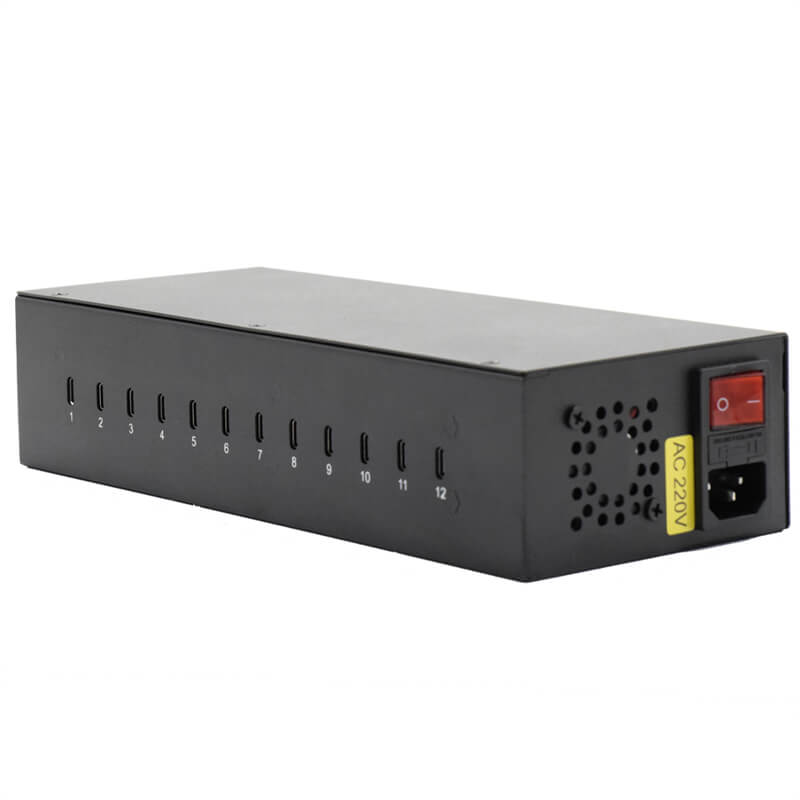
For international procurement, product compliance is a key requirement. Importing electrical products that lack proper local certifications can lead to customs issues and potential liability concerns. RF-Core addresses these requirements by building compliance and safety features directly into their product designs.
RF-Core products comply with major international quality and safety standards, holding certifications such as CCC (3C), ISO9001, FCC, CE, and RoHS. This helps ensure compliance with import regulations in key global markets.
Different regions use different power sockets and voltages. RF-Core designs systems to support international input voltages (100V-240V) and offers modular, regional power cords (US, EU, UK, AU) to simplify deployment.
Technical support, clear documentation, and product warranties are important for enterprise customers. RF-Core provides post-sales engineering support and replacement parts to help minimize operational downtime.
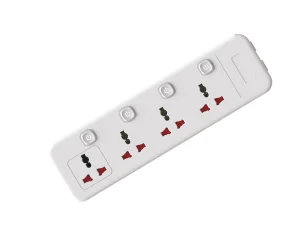
GaN adapters, smart lockers, multi-port docking stations, and surge-protected power strips for enterprise applications.
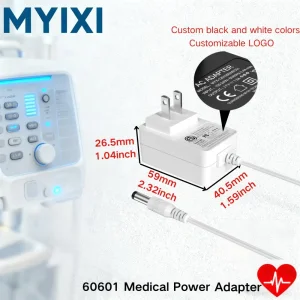
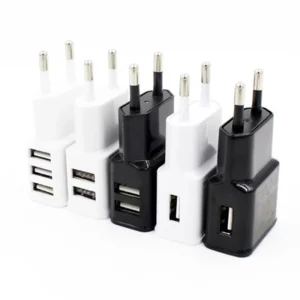
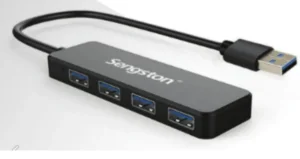
Common questions regarding bulk importing, OEM custom manufacturing, and technical specifications.
 RF-Core Charger