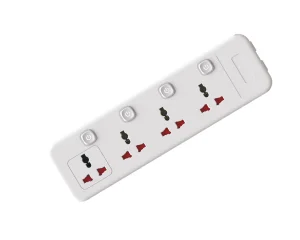
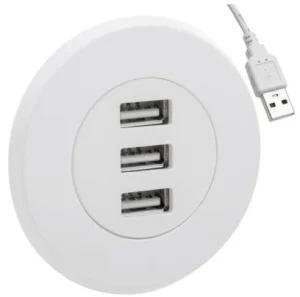
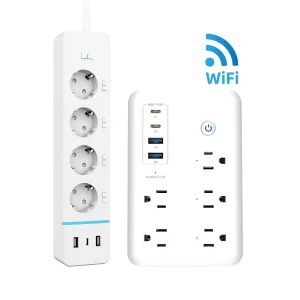
Explore advanced OEM/ODM charging hubs, multi-port docking stations, and intelligent charging cabinets designed for high-density deployment.
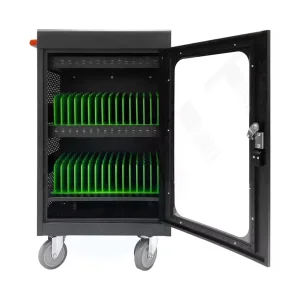
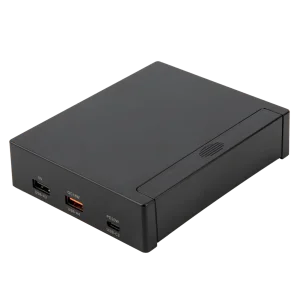
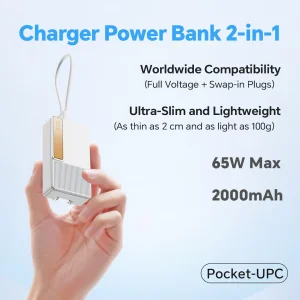
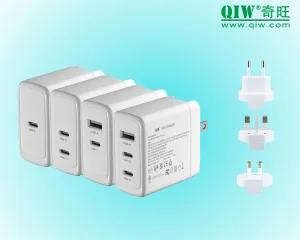
In the era of hyper-connected enterprise operations, educational digitalization, and industrial automation, centralized power distribution has evolved from a utility convenience into a strategic operational backbone. Modern enterprise facilities require space-efficient, thermally optimized, and highly intelligent wall mount charging solutions capable of energizing dozens of smart devices simultaneously—ranging from laptops, tablets, and smartphones to medical equipment and industrial handheld scanners.
China's Pearl River Delta, specifically the Shenzhen and Dongguan electronics corridors, represents over 75% of the global manufacturing capacity for high-density power supply units, USB-PD chargers, and smart charging locker cabinets. Sourcing directly from top-tier Chinese original equipment manufacturers (OEM) and original design manufacturers (ODM) provides global enterprise buyers with unprecedented strategic advantages.
From initial tooling design and high-speed Surface Mount Technology (SMT) component placement to custom transformer winding and sheet-metal cabinet fabrication, Chinese industrial clusters consolidate every production node within a 50-kilometer radius.
Leading Chinese manufacturers maintain dedicated engineering teams specializing in mechanical thermal simulation, firmware programming for dynamic power balancing, and modular structural design, slashing prototype lead times from months to under two weeks.
Tier-1 Chinese factories operate fully accredited in-house testing laboratories equipped with EMI/EMC chambers, surge generators, and environmental stress burn-in rooms, ensuring compliance with UL, CE, FCC, RoHS, PSE, and KC international standards.
The rapid evolution of high-power wall mount charging stations is defined by core technological breakthroughs in semiconductor material science, thermal dynamics, and active load-balancing software algorithms.
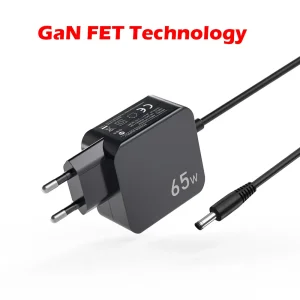
Legacy silicon MOSFET switches suffer from substantial switching losses and heat generation when pushed beyond 65 Watts per cubic inch. Modern commercial wall mount chargers utilize Gallium Nitride (GaN) field-effect transistors. By offering higher breakdown voltage, faster switching speeds, and reduced drain-to-source resistance ($R_{DS(on)}$), GaN technology reduces operational heat dissipation by up to 45% while shrinking internal transformer form factors by over 50%.
In centralized wall charging units featuring 10 to 100 ports, power management requires real-time intelligence. Advanced Integrated Circuits (ICs) monitor individual device State of Charge (SoC), thermal profiles, and supported protocols (such as USB-PD 3.1 Extended Power Range, Programmable Power Supply / PPS, and QC 4.0+). The system dynamically reallocates available power matrixes—for instance, shifting from a 100W laptop burst charge to a 15W trickle charge—preventing circuit overload while optimizing total energy throughput.
| Technology Spec | Legacy Silicon Power Hubs | Modern GaN Wall Mount Systems | Enterprise Operational Benefit |
|---|---|---|---|
| Power Conversion Efficiency | 82% - 87% | 93% - 96% | Drastically lowers utility bills and reduces heat output |
| Power Density | 0.3W - 0.5W / cm³ | 1.2W - 2.2W / cm³ | Saves over 60% wall footprint and enclosure size |
| Thermal Management | Heavy aluminum heatsinks + loud fans | Integrated PCBA graphite sheets + dynamic thermal throttling | Silent operation and elevated MTBF (Mean Time Between Failures) |
| Protocols Supported | Fixed Voltage (5V/2.4A or standard QC2.0) | Full PD 3.1 (up to 140W/240W), PPS, BC1.2, QC4+ | Universal compatibility across legacy and future smart devices |
Shenzhen RF-Core Charger Co., Ltd. is a high-tech enterprise integrating research and development, manufacturing, and global sales, specializing in advanced charging and connectivity solutions for modern digital devices.

The company focuses on the innovation of multi-port charging technology, offering a comprehensive product range including 10–100 port high-density chargers, intelligent charging cabinets, USB hubs, and high-power fast charging systems. RF-Core is particularly recognized for its expertise in large-scale centralized charging solutions, designed to efficiently support environments where multiple devices need to be charged simultaneously.
Guided by the philosophy of efficiency, reliability, and innovation, RF-Core develops products that deliver faster charging speeds, stable performance, intelligent power distribution, and enhanced safety protection. Its solutions are widely compatible with smartphones, tablets, laptops, and various smart terminals, meeting the evolving demands of digital lifestyles and professional applications.
A key competitive advantage of RF-Core lies in its strong R&D capability and full-process service system. Supported by an experienced engineering team, the company provides one-stop OEM/ODM solutions, covering industrial design, hardware and software development, prototyping, testing, and mass production. This enables customers to achieve faster product development cycles and flexible customization based on specific project requirements.
The company strictly adheres to international quality standards and has obtained multiple certifications, including CCC (3C), ISO9001, FCC, CE, and RoHS, ensuring that all products meet global safety, environmental, and performance requirements.
RF-Core’s products are widely used across various sectors such as education, hospitality, government institutions, corporate offices, transportation hubs, and public service facilities. They are especially suitable for scenarios involving high-density device usage, such as classrooms, training centers, exhibitions, and shared workspaces.
In addition, RF-Core continuously invests in advanced manufacturing equipment, automated production lines, and rigorous quality control systems to ensure product consistency and reliability. The company is also committed to sustainable development, actively promoting energy-efficient technologies and environmentally friendly materials in its product design and manufacturing processes.
Looking ahead, Shenzhen RF-Core Charger Co., Ltd. will continue to drive innovation in charging technology, expand its global presence, and deliver efficient, intelligent, and scalable power solutions to customers worldwide.
RF-Core Charger — Empowering the future with intelligent power.
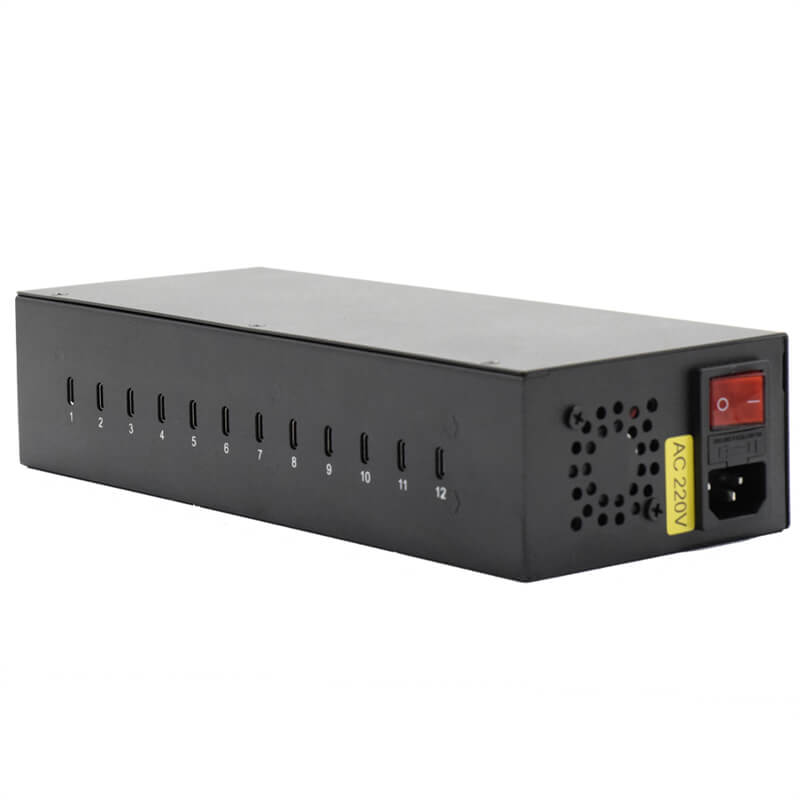
Wall mount charging solutions serve distinct technical and operational roles depending on the institutional framework into which they are deployed. Below are primary vertical deployment models:
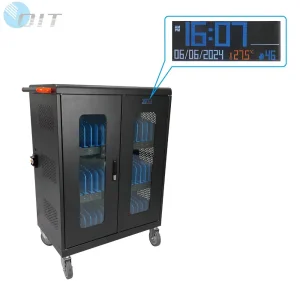
With 1:1 student tablet and Chromebook initiatives standard in modern school districts, classrooms require wall-mounted secure charging lockers. Key requirements include automated power-down timers, child-safe rounded enclosure corners, dynamic LED charge status indicators, and tamper-proof cable management channels.
Hot-desking and open-plan offices necessitate central charging hubs. Wall-mounted multi-port USB-C PD stations clean up wire clutter, provide 65W–100W laptop fast charging, and integrate surge protection, matching the aesthetics of contemporary corporate interiors.
Hospitals and clinical facilities require medical-grade wall-mounted power stations constructed with anti-microbial coatings, high isolation transformers to prevent electromagnetic interference with diagnostic tools, and keycard/PIN access smart lockers for nurse mobile terminals.
Fulfillment hubs utilize wall-mounted multi-dock charge stations for rugged handheld barcode scanners, inventory PDAs, and thermal mobile printers. Industrial-grade durability, robust metal housings, and heavy-duty docking pins are essential for 24/7 continuous operation shifts.
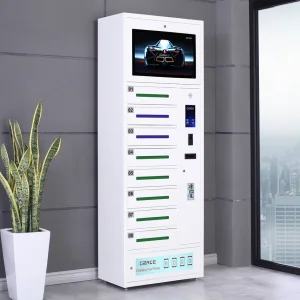
Airports, hotel lobbies, and convention halls deploy self-service charging kiosks and smart key-locking charging lockers to provide safe passenger and guest smartphone charging while reinforcing digital customer engagement strategies.
Global sourcing directors must evaluate potential manufacturing partners based on a multi-dimensional matrix that transcends mere unit pricing. Below is the framework used by top Fortune 500 procurement teams:
| Evaluation Metric | Critical Sourcing Criteria | Red Flags / Failure Points |
|---|---|---|
| 1. Thermal Safety Architecture | Active NTC thermistors per port, flame-retardant V-0 grade polycarbonate/aluminum housing, automated over-temperature shutdown at >75°C. | Passive cooling only in high-wattage hubs, lack of individual port thermal monitoring. |
| 2. Power Factor Correction (PFC) | Active PFC circuit (>0.95 rating) ensuring power grid stability and minimal harmonic distortion under full load. | Uncertified power supplies causing line noise and high harmonic feedback in building electrical mains. |
| 3. Comprehensive Safety Certificates | Authentic CB Test Certificates, UL62368-1 (IT Equipment Safety), CE-EMC/LVD, FCC Part 15 Class B, and RoHS/REACH chemical compliance. | Photoshoped or expired certificates; factory inability to provide official lab test reports from TÜV, SGS, or Intertek. |
| 4. Manufacturing Rigor & Testing | 100% full-load aging / burn-in testing for minimum 4 hours; high-voltage dielectric withstand testing (Hi-Pot test). | Batch-sampling testing only; lack of automated PCBA inspection lines (AOI). |
| 5. Customization Agility (OEM/ODM) | In-house CAD design, custom firmware development for bespoke handshake protocols, custom housing color/silk-screen branding. | Pure trading vendors without direct factory ownership or engineering change request (ECR) capabilities. |
Discover enterprise-grade power strips, multi-port dynamic adapters, and intelligent storage lockers engineered for max efficiency.
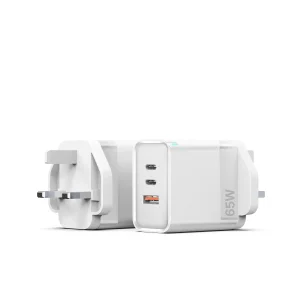
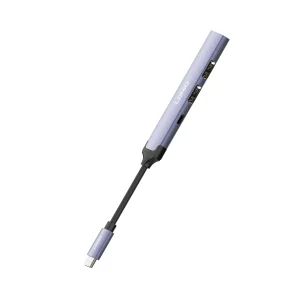
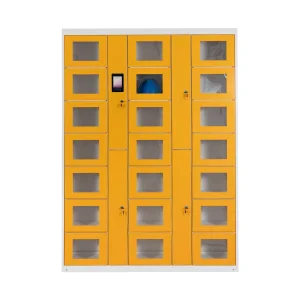
As power requirements across consumer and industrial electronics expand, wall-mounted power delivery systems are integrating cutting-edge smart grid technologies and eco-conscious engineering.
With the European Union's Common Charger Directive and similar mandates expanding globally, traditional AC socket wall strips are rapidly yielding ground to native multi-port USB-C PD stations capable of delivering up to 240W via USB PD 3.1 Extended Power Range (EPR).
Next-generation commercial wall charging units feature IoT connectivity (Wi-Fi 6, Zigbee, Ethernet, SNMP). Facilities managers can remotely track energy consumption, schedule off-peak charging schedules, perform over-the-air (OTA) firmware updates, and receive instant alert telemetry regarding abnormal thermal spikes.
Tier-1 manufacturers like Shenzhen RF-Core are transitioning toward Post-Consumer Recycled (PCR) flame-retardant plastics and lead-free soldering processes, allowing enterprise clients to fulfill Scope 3 carbon reduction mandates without compromising structural integrity or electrical insulation standards.
Detailed technical and logistical answers for IT directors, procurement officers, and engineering leads.
 RF-Core Charger