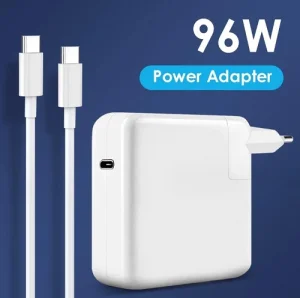
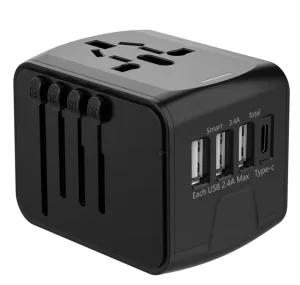
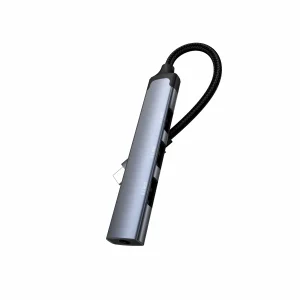
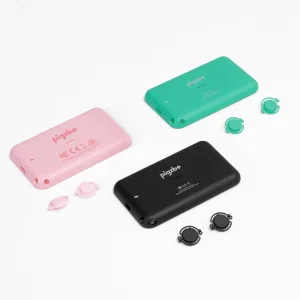
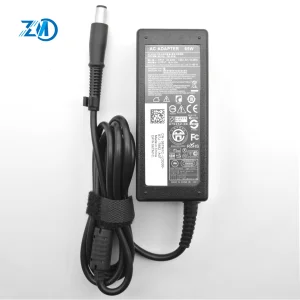
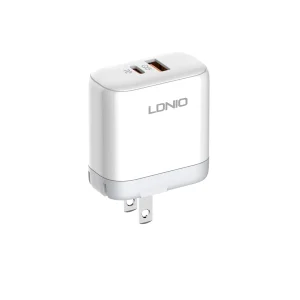
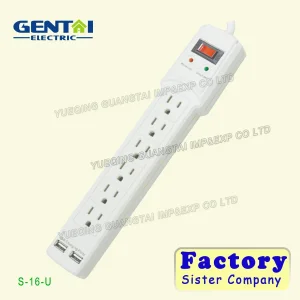
Premium connectivity adapters, intelligent charging systems, and fast charging docks powering high-throughput enterprise networks globally.
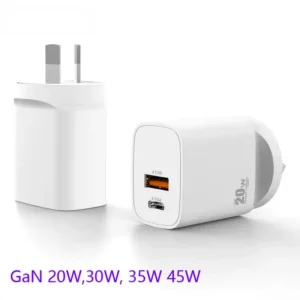
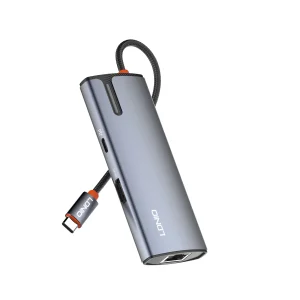
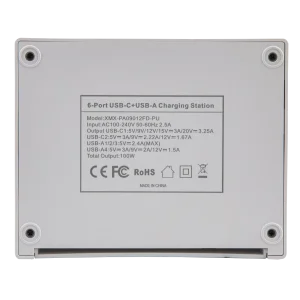
How high-frequency electromagnetic power delivery is transforming industrial, office, and smart city infrastructure.
The global wireless power market is transitioning from convenient household accessories to critical commercial infrastructure. With the ratification of the Qi2 standard by the Wireless Power Consortium (WPC), incorporating Apple’s Magnetic Power Profile (MPP), wireless charging has established a baseline of 15W high-efficiency power delivery. This development ensures precision magnetic alignment, significantly reducing energy losses through eddy currents and thermal dispersion.
For global enterprise buyers, sourcing wireless charging pads requires looking beyond basic aesthetic designs. The selection process demands an evaluation of a supplier’s R&D capabilities in thermal management, foreign object detection (FOD), smart integrated circuit (IC) integration, and safety compliance. Modern facilities integrate Gallium Nitride (GaN) substrates in their primary power sources, permitting higher power density, lower operating temperatures, and multi-device energy distribution systems.

The critical benchmarks that separate tier-1 manufacturing facilities from low-tier trading enterprises.
High-tier suppliers use heavy-gauge, multi-strand Litz copper wire coils rather than cheap PCB-etched trace coils. This lowers DC resistance (DCR), improves the quality factor (Q), and boosts efficiency beyond 80%.
High charging currents cause heat build-up. Top-tier manufacturers build in smart thermal throttling, graphitic heat spreaders, and aluminum heat-sync designs to prevent battery degradation on target devices.
Reliable firmware must detect coins, keys, or credit cards placed on the charging surface, shutting down current flow to prevent magnetic heating and fire hazards.
Understanding what lies ahead in wireless charging standards, smart charging grids, and spatial resonance systems.
Widespread adoption of the Magnetic Power Profile, ensuring exact receiver-to-transmitter positioning to reduce coil misalignment, lower core temperatures, and deliver reliable 15W quick charges.
Dynamic, overlapping coil matrix configurations managed by intelligent microcontrollers that track placement and distribute power selectively to up to three independent devices simultaneously.
Transitioning from tightly coupled induction charging to magnetic resonance and radio-frequency based spatial charging systems, delivering low-wattage continuous power over several meters.
A look at a premier developer of high-density charging infrastructures, custom PCB assemblies, and global commercial power solutions.
Shenzhen RF-Core Charger Co., Ltd. is a high-tech enterprise integrating research and development, manufacturing, and global sales, specializing in advanced charging and connectivity solutions for modern digital devices.
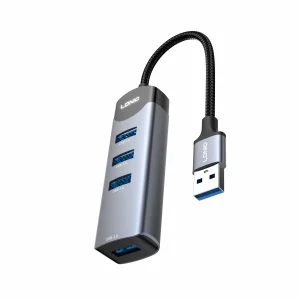
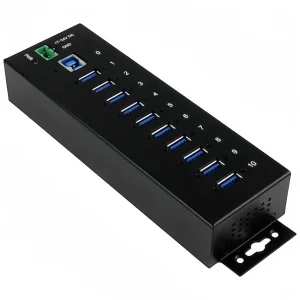
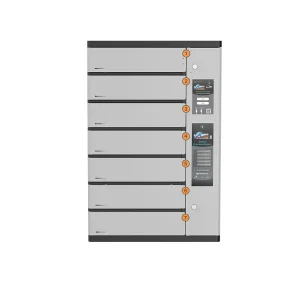
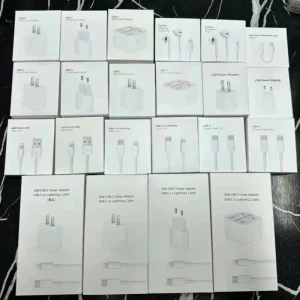
The company focuses on the innovation of multi-port charging technology, offering a comprehensive product range including 10–100 port high-density chargers, intelligent charging cabinets, USB hubs, and high-power fast charging systems. RF-Core is particularly recognized for its expertise in large-scale centralized charging solutions, designed to efficiently support environments where multiple devices need to be charged simultaneously.
Guided by the philosophy of efficiency, reliability, and innovation, RF-Core develops products that deliver faster charging speeds, stable performance, intelligent power distribution, and enhanced safety protection. Its solutions are widely compatible with smartphones, tablets, laptops, and various smart terminals, meeting the evolving demands of digital lifestyles and professional applications.
A key competitive advantage of RF-Core lies in its strong R&D capability and full-process service system. Supported by an experienced engineering team, the company provides one-stop OEM/ODM solutions, covering industrial design, hardware and software development, prototyping, testing, and mass production. This enables customers to achieve faster product development cycles and flexible customization based on specific project requirements.
The company strictly adheres to international quality standards and has obtained multiple certifications, including CCC (3C), ISO9001, FCC, CE, and RoHS, ensuring that all products meet global safety, environmental, and performance requirements.
RF-Core’s products are widely used across various sectors such as education, hospitality, government institutions, corporate offices, transportation hubs, and public service facilities. They are especially suitable for scenarios involving high-density device usage, such as classrooms, training centers, exhibitions, and shared workspaces.
In addition, RF-Core continuously invests in advanced manufacturing equipment, automated production lines, and rigorous quality control systems to ensure product consistency and reliability. The company is also committed to sustainable development, actively promoting energy-efficient technologies and environmentally friendly materials in its product design and manufacturing processes.
Looking ahead, Shenzhen RF-Core Charger Co., Ltd. will continue to drive innovation in charging technology, expand its global presence, and deliver efficient, intelligent, and scalable power solutions to customers worldwide.
RF-Core Charger — Empowering the future with intelligent power.
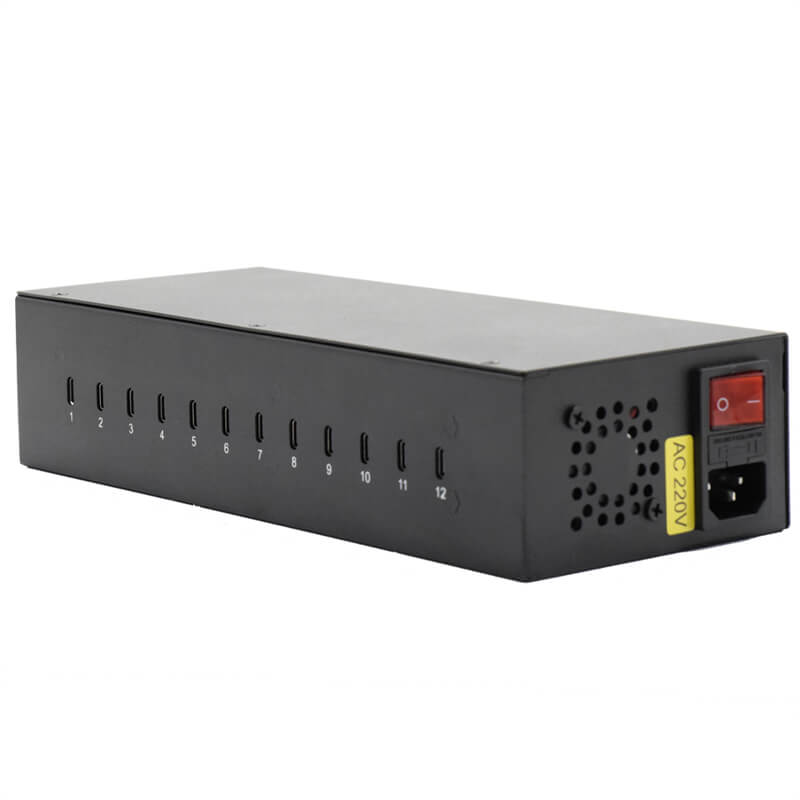
Deploying charging matrices to match the unique compliance and spatial layout requirements of specific commercial environments.
Centralized multi-port charging stations and smart cabinets allow schools to charge and store 20 to 50 student tablets or laptops safely overnight, preventing surge overloads.
Integrating wireless charging pads into desks and conference tables reduces cord clutter, enhances desk flexibility, and streamlines charging for client meetings.
Providing drop-and-charge Qi zones in hotel lobbies, airport lounges, and restaurants increases visitor dwell time, customer satisfaction, and overall service quality.
Why sourcing from specialized industrial hubs like Shenzhen ensures shorter design lead times, cost efficiency, and rigorous quality control.
Shenzhen, China, stands as the global hub for power electronics, concentrating every element of the wireless charging supply chain within a small geographic area. From chip designers and high-Q coil winding factories to mold builders and compliance laboratories, the localized ecosystem speeds up product development cycles. This allows ODM/OEM suppliers to bring a new wireless pad from concept sketch to pre-production prototype in days, rather than months.
Additionally, this manufacturing density enables flexible production sizing, automated testing pipelines, and cost advantages that other regions cannot match. Because raw materials are sourced locally, logistics bottlenecks are minimized, keeping production schedules stable during global market shifts.
Detailed technical answers to help sourcing managers make informed decisions.
Qi2 introduces the Magnetic Power Profile (MPP), adapted from Apple's MagSafe technology. It uses a ring of magnets to align the receiver coil and transmitter coil perfectly. This reduces magnetic misalignment, lowers heat, speeds up charging times, and increases power limits to a consistent 15W.
Suppliers use premium materials like aluminum alloy cases, graphite heat-sinking pads, and integrated temperature sensors. The internal controller chip runs software that monitors temperature, dynamically dialing down power if the unit exceeds 40°C to protect the device's battery life.
Yes. Industrial wireless chargers can be custom-made with IP67 or IP68 waterproof ratings, using heavy plastic housings, potted internal electronics, and reinforced copper coils. This protects them from dust, rain, and impacts in logistics warehouses and manufacturing facilities.
Without FOD, placing metal items like coins, paperclips, or foil phone cases on an active charger creates an induction heater, risking fires. B2B buyers should only source pads with advanced FOD systems that instantly detect metallic interference and cut off power.
Importers must check for FCC (United States), CE and RoHS (European Union), CCC (China), and WPC Qi registration. Certifications ensure the device meets safety standards for electromagnetic interference, toxic substance limits, and power transmission.
Yes. Modern charging pads rely on USB Power Delivery (PD) inputs. Using an advanced multi-port charger or high-density charging dock allows you to power several wireless charging pads from a single power source, saving outlet space.
Browse our full range of enterprise charging systems, multi-port power adapters, and custom docking setups designed for industrial and corporate networks.
 RF-Core Charger