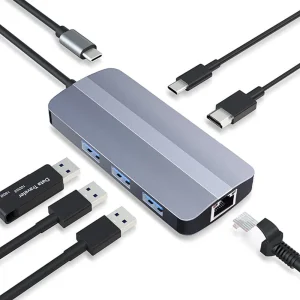
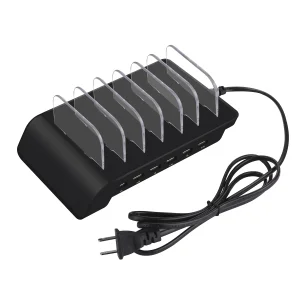
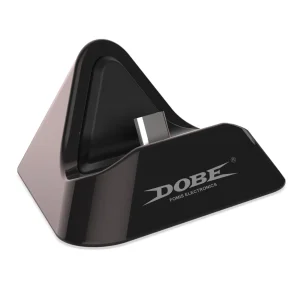
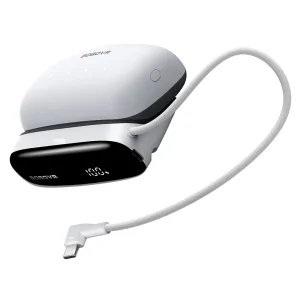
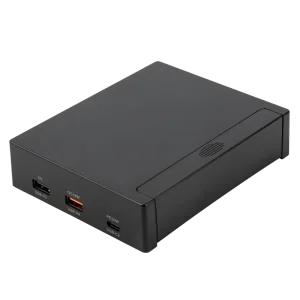
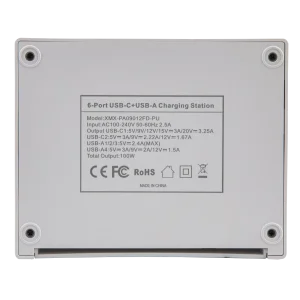
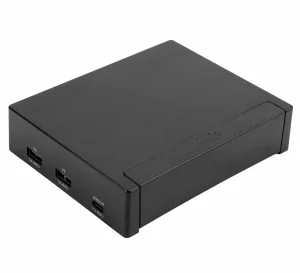
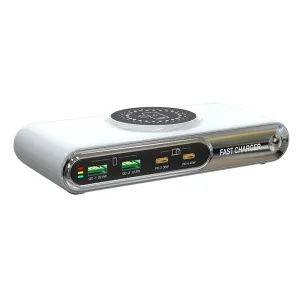
Industrial-grade power delivery hubs engineered to solve high-density multi-device connectivity demands in classrooms, hospitality lodges, and rugged industrial zones.
Analyzing the intersection of Namibia's digital transformation, global charging technology trends, and smart power management.
Namibia is undergoing a rapid digital evolution. Under structural plans like the Harambee Prosperity Plan II and the national digital transformation strategies, sectors ranging from education to tourism, public governance, and mining are converting from traditional analog frameworks to fully connected, mobile-first environments. The widespread distribution of tablets, mobile computers, high-precision telemetry trackers, and field communication devices has surged across primary hubs like Windhoek, Walvis Bay, Swakopmund, and Oshakati.
However, this intense concentration of hardware faces distinct infrastructural hurdles. Namibian business networks often contend with remote geographic locations, high-temperature operations, and power grids prone to minor voltage spikes. Multi-device charging docks are no longer mere office desk accessories; they have transitioned into critical commercial infrastructure. Large-scale institutions require centralized charging systems built with advanced surge protection, active thermal management, and intelligent power distribution to preserve device lifespans and prevent electrical hazards.
Standard wall outlets and cheap extensions fail when dealing with 10+ devices simultaneously. Dynamic charging stations prevent circuit overloads, balance amp loads dynamically, and provide active cooling to protect batteries from swelling in hot climates.
Globally, the electronic peripheral industry is steering decisively toward USB Type-C standardization, prompted by European Union regulatory mandates and the global convergence of hardware ecosystems. Manufacturers have integrated Gallium Nitride (GaN) semiconductor technology to design charging docks that generate significantly less heat while delivering power levels exceeding 100W per port. This technological leap enables compact, multi-port configurations to charge multiple laptops, tablets, and mobile terminals simultaneously without requiring bulky external bricks.
In parallel, international procurement specifications highlight the importance of ESG (Environmental, Social, and Governance) compliance. Global enterprises actively source charging stations constructed from eco-friendly, recyclable materials (such as sustainable bamboo or bio-based plastics) and designed with ultra-low standby power draw to minimize cumulative carbon footprints. Dynamic Power Delivery (PD 3.0/3.1) algorithms ensure that energy is routed dynamically to connected devices, automatically shutting off power lines once full capacity is detected to eliminate overcharging degradation.
By leveraging the strategic maritime shipping lane from Shenzhen ports directly to Walvis Bay Port, Namibia, wholesale buyers benefit from streamlined customs clearance, minimized transshipment times, and highly competitive freight forwarding costs across Southern Africa.
Why do leading commercial enterprises, educational institutions, and government offices in Namibia partner directly with Chinese factories like Shenzhen RF-Core Charger Co., Ltd.? The answer lies in the unmatched concentration of the electronics component supply chain in the Shenzhen-Dongguan industrial clusters. This local ecosystem allows factories to prototype, manufacture, test, and package complex multi-port charging systems in a fraction of the time required elsewhere.
Furthermore, standardizing direct-from-factory procurement eliminates middleman markup fees, giving Namibian businesses access to high-end technologies at competitive price points. With rigorous assembly processes featuring automated SMT (Surface Mount Technology), wave soldering machines, and computerized burn-in/aging testing cabinets, Chinese manufacturers deliver long-term reliability. RF-Core ensures that every multi-device charging dock matches rigorous global safety guidelines, offering a reliable backbone for operations worldwide.
“When evaluating multi-device charging systems for markets like Namibia, look beyond simple port counts. True value lies in the safety architecture—such as protection against over-current, over-voltage, short-circuit, and high-temp spikes—complemented by global certifications (CE, FCC, RoHS, ISO9001). This is the key difference between consumer gadgets and enterprise-grade infrastructure.”
How specialized high-density charging hubs solve infrastructure-specific operational challenges on the ground.
As primary and secondary schools in Windhoek, Swakopmund, and Rundu deploy electronic tablets for interactive curricula, educators need a way to store and charge these devices. Multi-port charging cabinets and smart docks keep up to 64 devices fully powered and securely locked away overnight.
Eco-lodges operating off solar power grids in Sossusvlei or Etosha National Park require highly efficient, low-heat charging hubs. Providing multi-device wireless docks allows travelers to fast-charge cameras, GPS devices, tablets, and phones simultaneously in their rooms using minimum solar inverter capacity.
In the Erongo region's uranium and desert mining sites, rugged handheld terminals, barcode scanners, and communication radios must stay continuously charged across 24/7 rotating shifts. Heavy-duty multi-device charging docks with solid aluminum enclosures ensure operational continuity in harsh environments.
Integrating state-of-the-art research, advanced factory automation, and global distribution channels.
Shenzhen RF-Core Charger Co., Ltd. is a high-tech enterprise integrating research and development, manufacturing, and global sales, specializing in advanced charging and connectivity solutions for modern digital devices.
The company focuses on the innovation of multi-port charging technology, offering a comprehensive product range including 10–100 port high-density chargers, intelligent charging cabinets, USB hubs, and high-power fast charging systems. RF-Core is particularly recognized for its expertise in large-scale centralized charging solutions, designed to efficiently support environments where multiple devices need to be charged simultaneously.
Guided by the philosophy of efficiency, reliability, and innovation, RF-Core develops products that deliver faster charging speeds, stable performance, intelligent power distribution, and enhanced safety protection. Its solutions are widely compatible with smartphones, tablets, laptops, and various smart terminals, meeting the demands of modern digital workflows and industrial applications.

A key competitive advantage of RF-Core lies in its strong R&D capability and full-process service system. Supported by an experienced engineering team, the company provides one-stop OEM/ODM solutions, covering industrial design, hardware and software development, prototyping, testing, and mass production. This enables customers to achieve faster product development cycles and flexible customization based on specific project requirements.
The company strictly adheres to international quality standards and has obtained multiple certifications, including CCC (3C), ISO9001, FCC, CE, and RoHS, ensuring that all products meet global safety, environmental, and performance requirements.
RF-Core’s products are widely used across various sectors such as education, hospitality, government institutions, corporate offices, transportation hubs, and public service facilities. They are especially suitable for scenarios involving high-density device usage, such as classrooms, training centers, exhibitions, and shared workspaces.
In addition, RF-Core continuously invests in advanced manufacturing equipment, automated production lines, and rigorous quality control systems to ensure product consistency and reliability. The company is also committed to sustainable development, actively promoting energy-efficient technologies and environmentally friendly materials in its product design and manufacturing processes.
Looking ahead, Shenzhen RF-Core Charger Co., Ltd. will continue to drive innovation in charging technology, expand its global presence, and deliver efficient, intelligent, and scalable power solutions to customers worldwide.
RF-Core Charger — Empowering the future with intelligent power.
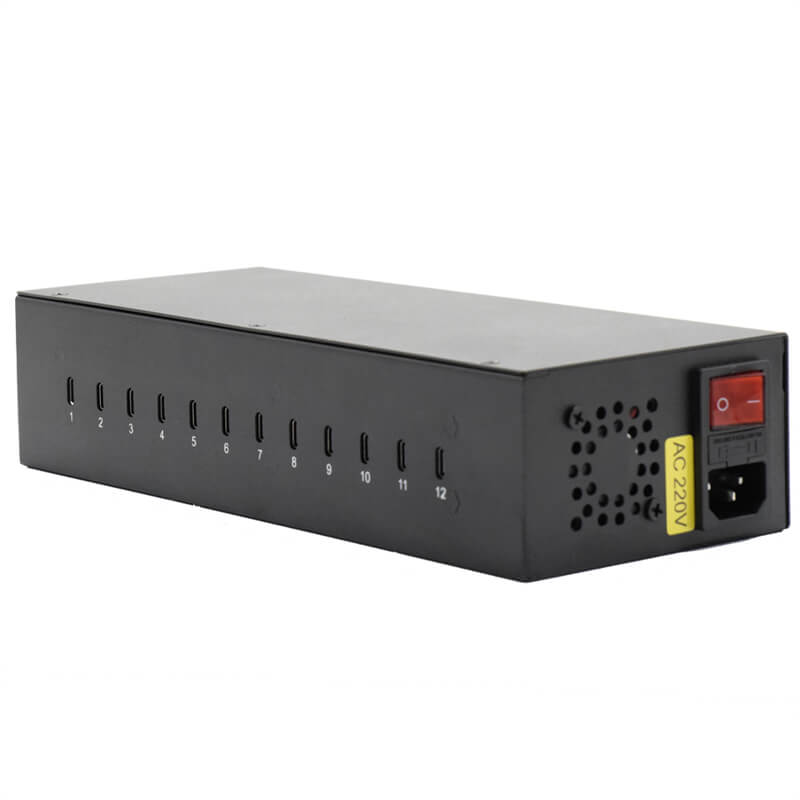
Explore our complete production line designed for volume supply, customized OEM solutions, and direct B2B supply lines to Namibia.
Key technical specifications that professional purchasing officers and project coordinators should analyze before importing multi-device charging infrastructure.
Namibia relies on a 220V-240V AC, 50Hz grid system (typically utilizing plug types M, D, and C). The imported systems must feature stable step-down transformers and wide-voltage internal power components (100V-240V auto-sensing switching mode power supplies) to absorb line fluctuations without transferring surges to devices.
In hot desert or interior climates like those of Gobabis or Keetmanshoop, heat buildup is a major cause of lithium battery degradation. Enterprise docks should feature active cooling fans, perforated aluminum dissipation plates, or heat sink thermal paste to maintain safe operating temperatures under full loads.
Docks must be certified to standards such as CE, FCC, RoHS, and ISO9001. Built-in IC chips should perform dynamic load balancing—allocating specific wattages based on each device's real-time battery status and automatically disconnecting ports to prevent battery wear.
Sourcing insights, electrical compatibility, and customization policies for importing to Namibia and the SADC region.
Get in touch with our engineering team for customized design blueprints, factory direct volume pricing, and shipping logistics to Namibia.
Send Inquiry Now RF-Core Charger